Vail Neighborhoods Comparison Guide for Three Key Areas
May 28, 2026
May 28, 2026
Choosing between Vail Village, Lionshead, and East Vail is not just about where you want to sleep at night. It is about how you want your days to feel once you are here. If you are trying to match your home search to the right mountain lifestyle, this guide will help you compare the rhythm, access, housing, and convenience of each area so you can focus on the part of Vail that fits you best. Let’s dive in.
Vail Village, Lionshead, and East Vail are closely connected, but they live very differently day to day. Vail Village and Lionshead are the two main base villages on Vail Mountain, while East Vail sits about 4 miles east of Vail Village.
The good news is that all three are tied together by Vail’s free in-town bus system. Vail Village and Lionshead are also linked by a 10 to 15 minute walk, which makes it easy to move between them without needing a car.
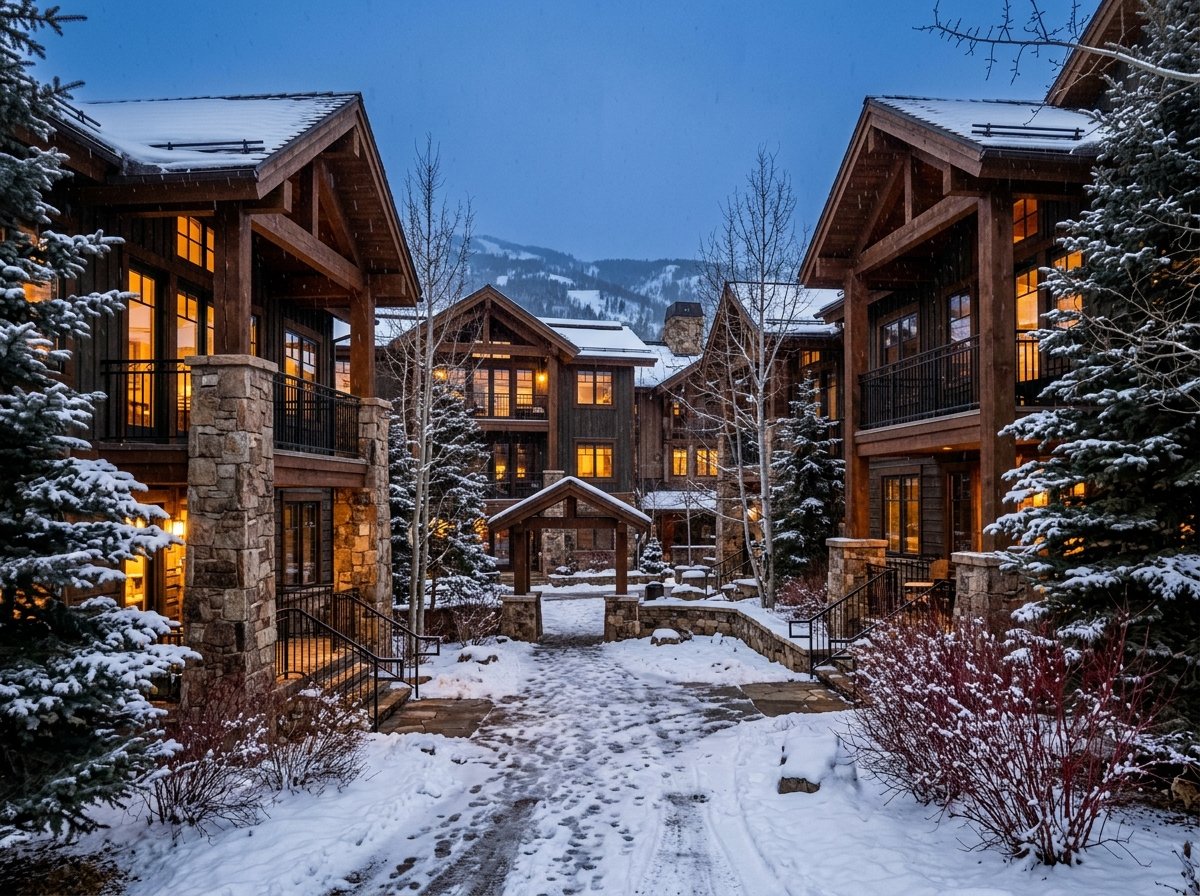
Vail Village has the most classic resort-town energy in Vail. You will find cobblestone streets, chalet-style buildings, shops, restaurants, cafes, bars, and a steady flow of people throughout the day and into the evening.
Even with that activity, the village still keeps a small-town feel. If you picture yourself stepping out for coffee, walking to dinner, and being close to the center of après-ski activity, Vail Village is often the first place buyers consider.
Vail Village is anchored by Gondola One. The village parking garage sits close to the mountain entry point, which supports the area’s easy, pedestrian-oriented flow.
That setup matters if you want simple ski days with fewer logistics once you arrive. You can spend more time enjoying the mountain and less time coordinating transportation.
Vail Village blends historic planning character with a service-rich mix of property types. Town planning documents show that design standards here are meant to preserve architectural character, building scale, and public spaces, and exterior work must go through design review before permits are issued.
From a buyer’s point of view, that helps explain why the village has a cohesive look and feel. You will also see a mix of hotel and residence offerings, including condominiums and penthouses with hotel-style amenities, which makes this area feel less purely residential than East Vail.
Vail Village is often the best fit if you want:
If your priority is being in the middle of the action, Vail Village usually delivers the fullest all-day experience.
Lionshead is also pedestrian-focused, but its personality is a little different. It feels more compact, practical, and centered on easy movement between the gondola, shops, restaurants, and gathering spaces.
The area is known for its car-free feel, central ice rink, outdoor firepits, and walking access along Gore Creek. Compared with Vail Village, Lionshead often feels a bit more streamlined in how everything is laid out.
Lionshead centers on the Eagle Bahn Gondola and, in winter, the Born Free Express lift. Parking sits at the edge of the pedestrian area, which supports a simple transition from arrival to village to mountain.
If you value direct lift access and a compact footprint, that layout can be a major advantage. Many buyers like Lionshead because it makes the day feel efficient without losing the mountain-town atmosphere.
Lionshead developed with a pedestrian-oriented mixed-use plan, and that still shapes how the area functions today. Planning documents describe a mix of resort retail, lodging, residential, and mixed-use zones, which gives the neighborhood a balanced resort-core identity.
Buyers should also expect association-based ownership structures to be common here, especially in condominium properties. In practical terms, Lionshead often appeals to people who want a blend of convenience, mountain access, and lock-and-leave ease.
Lionshead is often the best fit if you want:
For many buyers, Lionshead hits a sweet spot between energy and ease.
East Vail has the quietest rhythm of the three. It is more about scenery, trails, waterfalls, and returning home to a residential setting after skiing, hiking, or everyday errands.
Rather than moving from shop to shop, life in East Vail tends to revolve around home, outdoor access, and neighborhood-scale amenities. The area is served by the free shuttle, with rides to Vail Village in under 15 minutes, so you can still reach the core without much effort.
East Vail is about 4 miles from Vail Village, so access feels different from the two base villages. You are less likely to walk everywhere and more likely to use the free bus system or drive depending on your plans.
That separation is part of the appeal for many buyers. You can enjoy the benefits of Vail while coming home to a setting that feels calmer and more residential.
East Vail is where buyers are more likely to find condos and townhomes rather than hotel-heavy resort product. That housing pattern gives the area a distinct neighborhood identity compared with the village cores.
Communities in East Vail may also include amenity packages that support an active mountain lifestyle. Examples in the area include athletic-club style offerings such as pool, hot tubs, tennis, pickleball, and fitness facilities, which can create a residential feel with resort convenience.
East Vail has fewer commercial amenities than the village cores, but the ones it has are neighborhood-oriented and useful. Public guides highlight places such as Sim’s Market, Après Cafe, Grille on the Gore, the Vail Nordic Center, Bighorn Park, and trailheads including Booth Falls, Deluge Lake, and Bighorn Creek.
That mix supports a lifestyle shaped by recreation and everyday simplicity. If your ideal Vail day includes trail access, mountain views, and a quieter home base, East Vail deserves a close look.
East Vail is often the best fit if you want:
If your version of luxury includes peace, scenery, and breathing room, East Vail may feel like home.
Here is the simplest way to think about the differences. Vail Village offers the most iconic and service-rich base area experience, Lionshead offers a compact and access-focused village lifestyle, and East Vail offers a quieter residential rhythm tied closely to trails, parks, and scenery.
Your choice depends on what you want your everyday experience to be. Some buyers want to walk to nearly everything, while others want more privacy and do not mind using the shuttle to reach the village core.
| Area | Best Known For | Daily Feel | Housing Pattern | Access Style |
|---|---|---|---|---|
| Vail Village | Iconic base area energy | Lively, walkable, service-rich | Mix of residences and hotel-style properties | Gondola One, walkable core |
| Lionshead | Compact mountain convenience | Pedestrian-focused, practical, amenity-driven | Mixed-use and condo-oriented ownership | Eagle Bahn Gondola, compact pedestrian layout |
| East Vail | Quiet residential living | Scenic, calm, outdoor-focused | Mostly condos and townhomes | Free bus access, neighborhood setting |
If you are buying in Vail, lifestyle fit matters just as much as square footage or finishes. Two properties at similar price points can feel completely different depending on whether you want walkable village energy, lift efficiency, or a more residential mountain setting.
This is where local guidance becomes especially valuable. A neighborhood that looks ideal on paper may feel very different once you understand its daily pace, ownership patterns, transportation flow, and amenity mix.
Before you focus too tightly on listings, ask yourself a few simple questions:
Clear answers can help you narrow the map quickly. In a market like Vail, that kind of clarity often leads to better decisions and a more satisfying long-term fit.
Whether you are searching for a high-end condominium in the village core or a quieter East Vail retreat, the right choice starts with understanding how each part of Vail actually lives. If you want a local perspective on which area best matches your goals, schedule a private Vail market consultation with DeDe Dickinson.
Stay up to date on the latest real estate trends.