Remodeling a Vail Mountain Home: What to Know First
June 25, 2026
June 25, 2026
Thinking about remodeling in Vail? A beautiful idea on paper can turn into a much bigger project once you factor in permits, design review, snow-load rules, and mountain-site conditions. If you want your remodel to go smoothly and protect your long-term property value, it helps to understand the local process before demolition begins. Here’s what you should know before remodeling a home in Vail, Colorado.
In Vail, many remodel projects require more than a simple contractor quote and construction date. Common work that can trigger permits includes interior remodels, basement finishes, HVAC updates, plumbing and electrical work, roofing, windows, decks, additions, and retaining walls.
Some smaller maintenance projects generally do not require a permit. Examples listed by the Town of Vail include replacing cabinets in the same layout, replacing flooring, and swapping fixtures in existing locations. Even so, it is smart to confirm your scope early before assuming your project is exempt.
If your remodel changes a building’s exterior, site, or landscaping, the Town of Vail says the Design Review Board, or DRB, approval process may apply. In Vail Village and Lionshead core areas, projects that add floor area or modify the exterior may also need PEC review before DRB or building permit review.
This matters because in Vail, approvals often drive the schedule. For many homeowners, the project is not construction-first. It is review-first, then construction.
If you own a condo, townhome, or another shared-wall property, town review may be only one part of the process. DRB submittals commonly require elevations, exterior material samples, photos, a project description, and a joint-property or HOA approval letter.
That means your remodel may need both public approval and private approval. If you skip that step early, you can lose valuable time later.
One of the biggest remodel mistakes in Vail is underestimating logistics. The town encourages pre-application meetings to help sort out code questions, approval paths, and timing.
That early conversation can be especially helpful if your project touches exterior finishes, structural elements, or a site with constraints. It can also help you avoid revisions that add review time and extra cost.
If your property is in one of Vail’s core village areas, construction-hour guidance and approved staging and traffic-control plans can affect your schedule. Even a relatively modest remodel can involve more planning than a similar project in a typical suburban setting.
For owners of second homes, this is especially important. If you are managing your project from out of town, you will want a clear understanding of access, staging, and review timing before work starts.
The Town of Vail requires contractors to be registered with the town. Electrical and plumbing contractors must also hold Colorado licenses.
The town allows owner-builder permits only for minor renovation, repair, and maintenance work that does not alter structural integrity. If your remodel includes structural change or exterior revisions, it is not the kind of project you want to treat casually.
Changes made mid-project can carry real consequences. If a revision adds or changes exterior work, DRB approval must come first before the permit revision is processed.
In other words, last-minute design changes can affect both budget and timing. In Vail, decision-making upfront usually saves money later.
A remodel in Vail should do more than look polished. It should perform well through snow, freeze-thaw cycles, high elevation, and moisture exposure.
The Town of Vail lists current adopted codes including the 2024 IBC, IRC, IECC, IFC, IPC, IMC, IFGC, and IEBC, along with the 2023 NEC. The town’s published structural criteria place Vail in Climate Zone 6B and include a 145 psf ground snow load, roof snow loads of 100 psf under 4:12 pitch and 80 psf at 4:12 and above, a 100 psf deck and patio load, and an ice-barrier underlayment requirement.
Those numbers are not just technical footnotes. They shape how roofs, decks, patios, and foundations should be designed and built.
If you are remodeling exterior living space or reworking a roof assembly, durability matters as much as appearance. In Vail, snow load and weather exposure can quickly expose weak design decisions.
Cold-climate guidance from the U.S. Department of Energy recommends planning air sealing, insulation, moisture control, and ventilation together. For Vail homeowners, that often means using strong air sealing at the ceiling plane or roof deck, adequate attic insulation, and proper ventilation to help reduce ice dams and moisture problems.
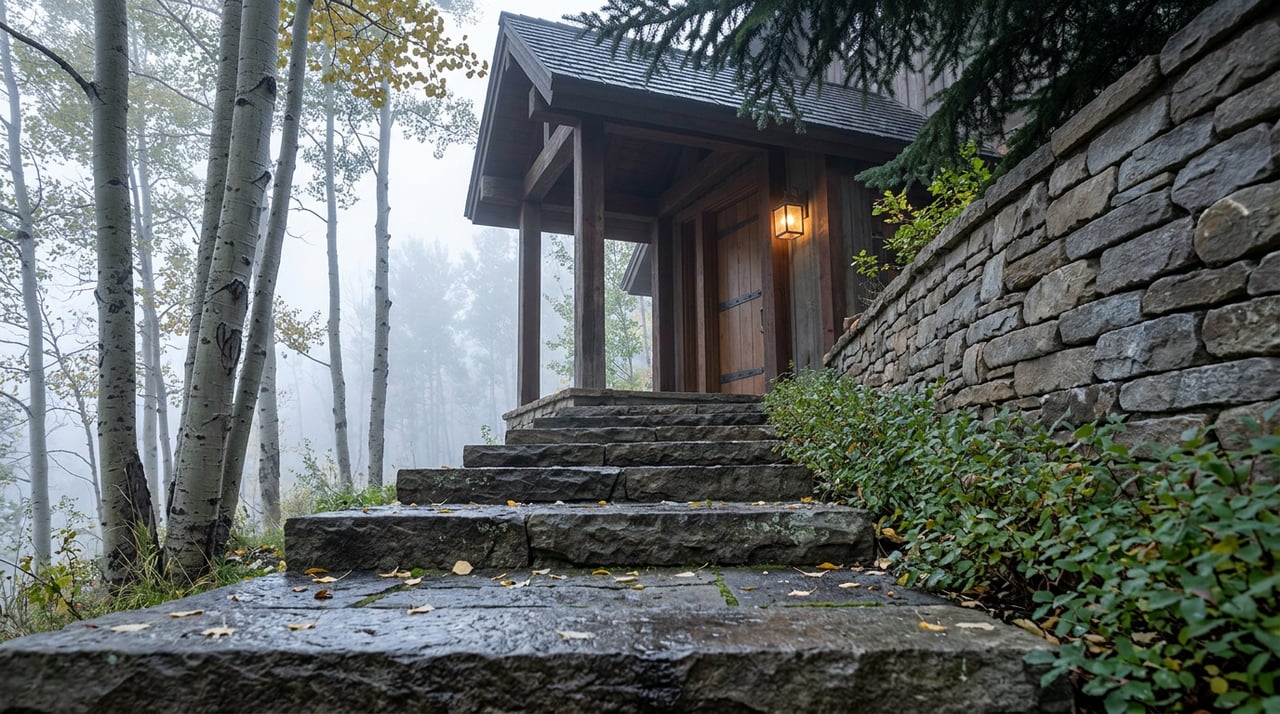
The same practical thinking applies to water management around the home. Gutters and downspouts should drain away from the house, grading should slope away from the foundation, and the foundation-sill interface should be detailed to resist moisture intrusion.
In a place like Vail, finish choices are not only aesthetic. They are performance decisions.
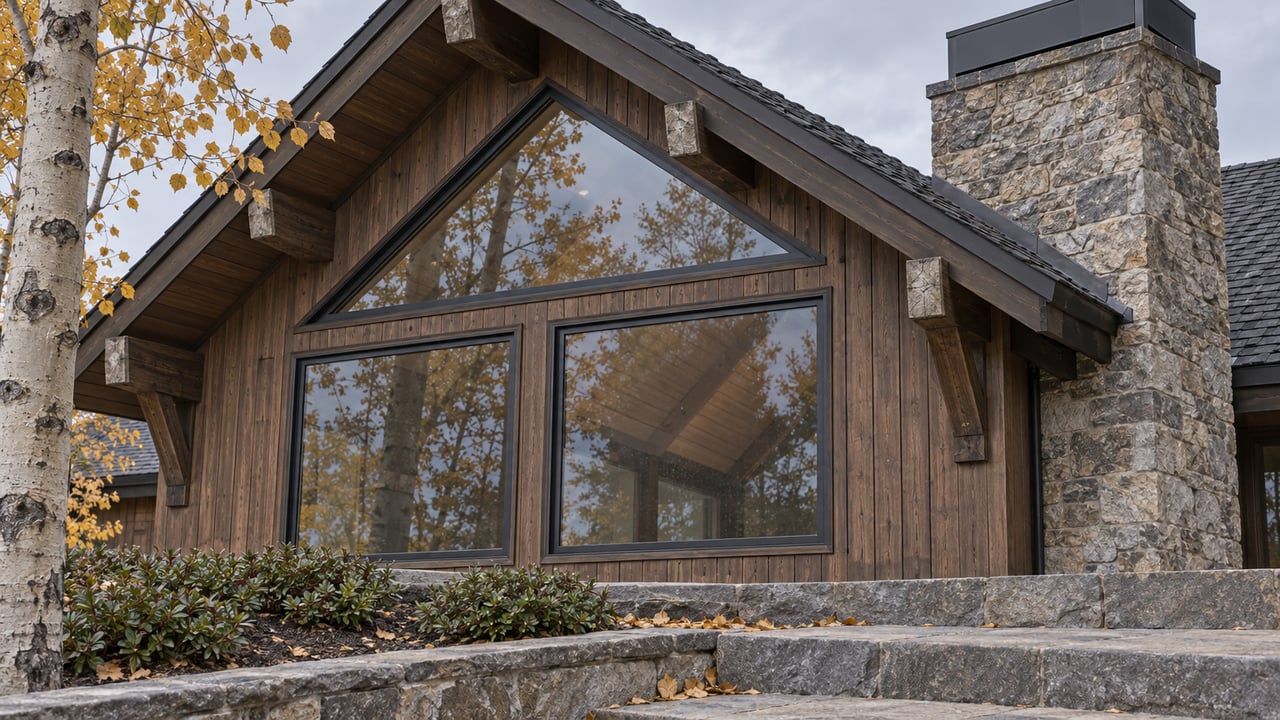
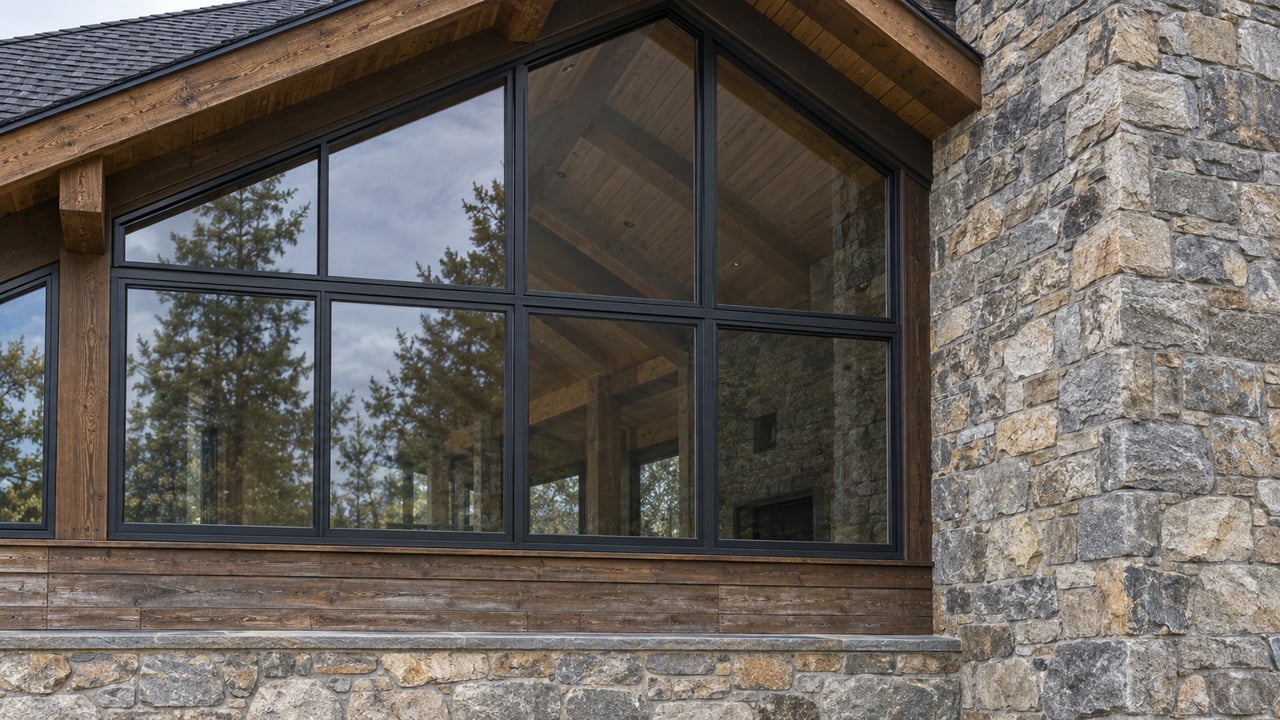
Town design guidance for Lionshead favors high-quality, durable exterior materials. It encourages maintenance-free metals such as copper and aluminum or steel with baked finishes, notes that factory finishes should withstand strong UV exposure at higher elevations, and requires non-reflective glazing to limit glare.
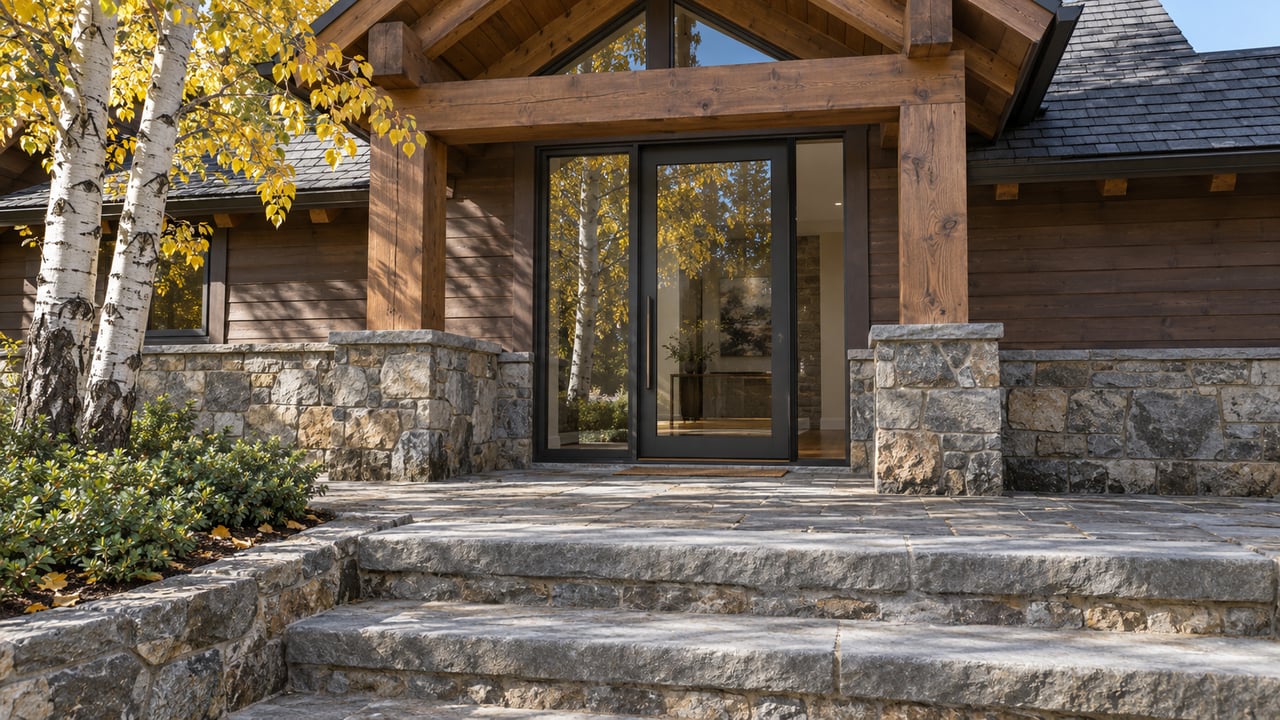
Even if your property is outside Lionshead, the broader lesson still applies. Visible mountain homes tend to benefit from durable roof assemblies, well-detailed openings, and materials that age gracefully in sun, snow, and wind.
If you are updating windows, doors, railings, or exterior cladding, ask not only how they look at installation, but how they will perform after several Vail winters.
In Vail, some remodel issues are tied to the site itself rather than the house. If your work affects rights-of-way, easements, public property, utility work, driveway improvements, drainage, staging, parking, or fencing, you may need a Public Way Permit.
If the property is in a mapped flood hazard area, any construction activity within FEMA special flood hazard areas requires a Flood Plain Development Permit. The town also notes that some town-owned stream-tract areas do not allow improvements.
For renovations or alterations, asbestos testing and any required abatement must happen before the town issues a permit. If you are remodeling an older home or condo, this is an important item to address early.
It may not be the most exciting part of a remodel plan, but it can affect both your timeline and your pre-construction budget.
In Vail, the contractor’s base bid is only one piece of the budget. Permit-related costs and review-related adjustments can add up.
The town’s development guide lists a $5 will-call fee on building, plumbing, mechanical, and electrical permits. It also lists plan and drawing revision review at $75 per hour with a two-hour minimum, plus re-inspection or other inspection-related work at $105 per hour.
Transportation impact fees apply to new dwelling units or new commercial floor area, not to a straightforward residential remodel with no added units. That is helpful for owners updating an existing residence without expansion into a new unit count.
Still, if your scope changes along the way, your cost picture can change too. That is one more reason to define the project carefully from the start.
If your remodel includes comfort or efficiency improvements, sequence matters. A practical retrofit order is usually assessment first, then air sealing, then insulation, then windows, doors, HVAC, and electrification decisions.
A home energy assessment can help identify insulation gaps and air-sealing opportunities. In a cold-climate market like Vail, that step can help you prioritize upgrades that improve comfort and reduce wasted spending.
Holy Cross Energy serves the Vail to Dotsero area, and its 2026 residential rebates cover air sealing, insulation, heat pumps, heat-pump water heaters, induction cooking, smart panels, and related electrification measures. The program says active members in good standing can receive up to $5,000 per residential account per year, with higher limits for income-qualified members.
Colorado’s Home Energy Rebate Program also launched consumer rebates of up to $14,000 for qualifying households for eligible upgrades such as insulation, air sealing, electric heating and appliances, and electrical panels and wiring. If energy improvements are already part of your remodel plan, these programs may influence your scope and budget.
If your remodel is engineered, Vail requires a Statement of Special Inspections as part of permit approval. The town also requires special-inspection reports to be submitted before inspected items are covered.
The town will not issue a certificate of occupancy or completion until required reports are reviewed and approved. That means coordination between your design team, contractor, and inspectors is critical from the beginning.
In Vail, a successful remodel is usually the result of careful planning, not just strong design taste. Approval paths, exterior review, snow-load requirements, site logistics, materials, and moisture control all shape the project before construction begins.
If you are remodeling before a sale, remodeling after a purchase, or deciding whether improvements will meaningfully support value, local guidance matters. With Vail properties, the best decisions often come from understanding how lifestyle, design, and town process intersect.
If you are weighing a remodel as part of your next move in Vail, DeDe Dickinson can help you think through how updates may affect marketability, timing, and long-term property value.
Stay up to date on the latest real estate trends.