Lake Creek Edwards Ranch Properties and Equestrian Living
May 14, 2026
May 14, 2026
If you picture Colorado ranch living as equal parts open pasture, privacy, and mountain access, Lake Creek in Edwards deserves a closer look. This is a part of the Vail Valley where the setting feels intentionally rural, and that matters if you want space to spread out, keep horses, or simply enjoy a quieter pace close to town. In this guide, you’ll get a practical look at what defines Lake Creek’s ranch and equestrian lifestyle, what buyers should know, and why this area stands apart. Let’s dive in.
Lake Creek is one of the character areas identified in the Edwards Area Community Plan, and Eagle County treats it as a low-density rural valley with agricultural uses, open space, and historic character. Planning documents consistently frame the area around preservation rather than broad new growth. That gives you an important starting point if you are comparing Lake Creek with more built-out parts of Edwards.
The county also notes that the valley has seen little change since the early 1990s. Residents have been protective of its quiet rural feel, and land use discussions are generally centered on keeping that identity intact. For buyers, that often translates into a market where setting and land matter just as much as the house itself.
What makes Lake Creek feel different on the ground is the visible ranch and horse-property character of the valley floor. County planning materials describe the lower valley floor as devoted to horse properties, with irrigated pastures, open range, large private lots, conservation easements, and wildlife habitat helping define the landscape. If you are searching for acreage in Edwards, this is the kind of backdrop many buyers have in mind.
That rural pattern also supports a strong sense of privacy. Instead of dense neighborhood amenities, you are more likely to notice open views, creek corridors, fenced pasture, and generous spacing between homes. In practical terms, Lake Creek tends to appeal to buyers who value land, scenery, and a preservation-oriented setting.
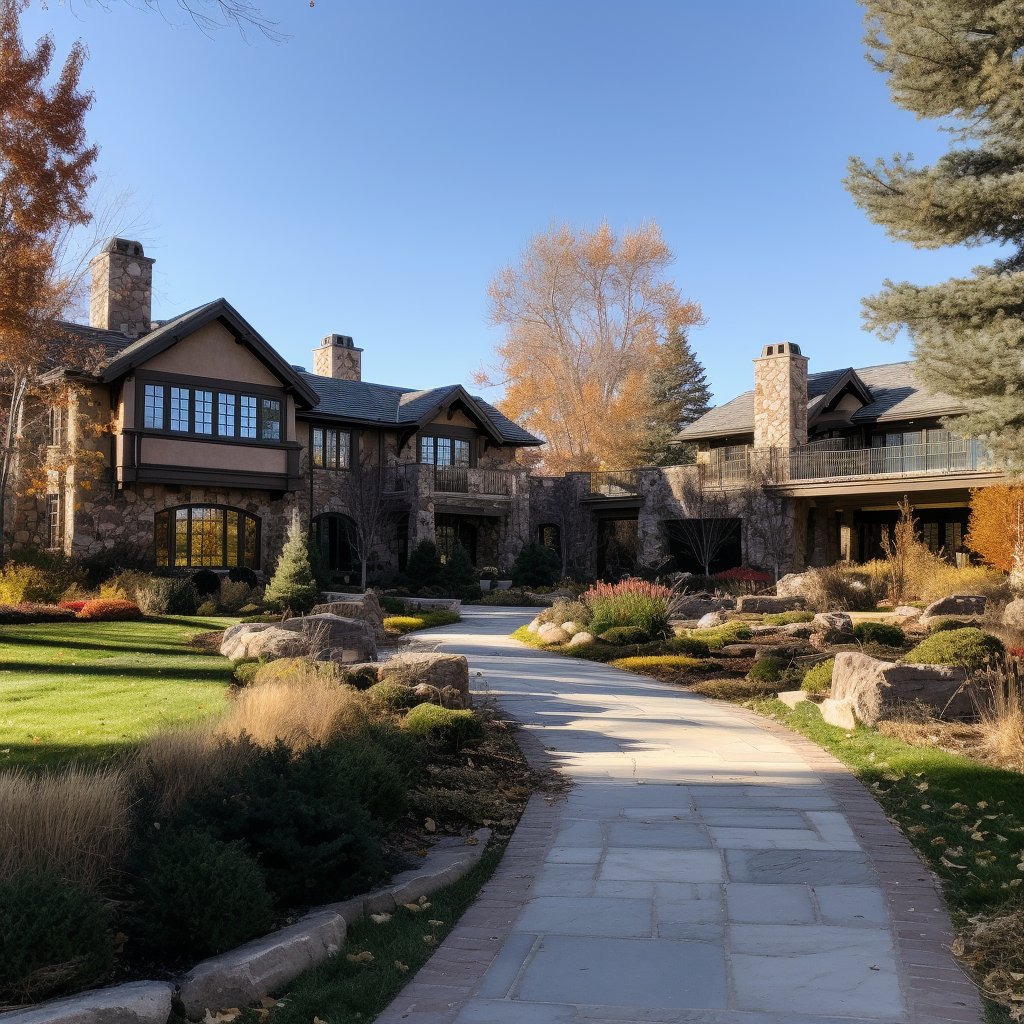
Lake Creek is predominantly a single-family detached home market. Eagle County describes the area as substantially developed with single-family units, which reinforces the low-density pattern seen throughout the valley. That matters if you are looking for a more traditional ranch or estate-style ownership experience rather than attached housing or multifamily density.
Public listing examples referenced in the research show homes on roughly 1-acre to 5-acre parcels, with occasional larger offerings including a 4.79-acre equestrian property and a 40-acre parcel. Parcel size can vary, but acreage is part of the value story here. When buyers evaluate homes in Lake Creek, the land often plays a central role in lifestyle, use, and long-term appeal.
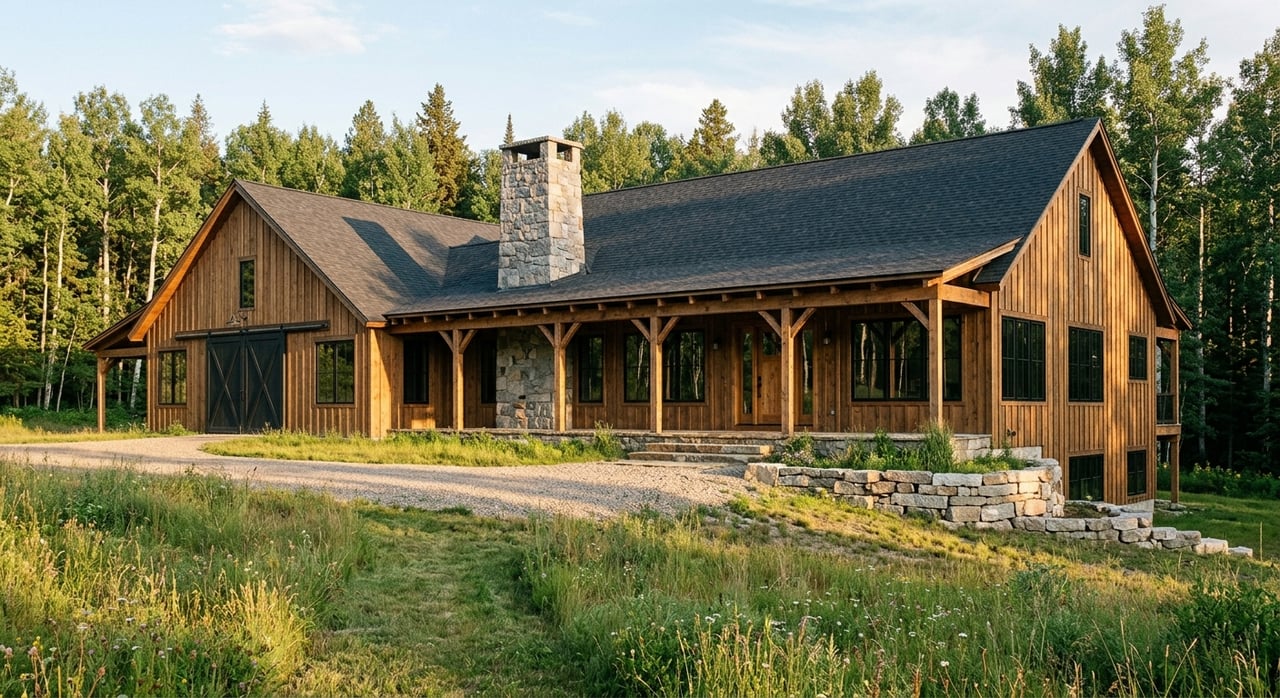
For buyers drawn to horses, Lake Creek offers a setting where equestrian use feels consistent with the surrounding landscape. The county’s planning documents explicitly identify the lower valley floor as horse-property country, which gives the area a clear identity within greater Edwards. You are not trying to force a ranch lifestyle into a suburban environment here.
That does not mean every property is the same, and site specifics still matter. Pasture condition, access, water, topography, and existing improvements can vary widely from parcel to parcel. But if your goal is to find a home in a valley where equestrian and ranch uses are already part of the area’s character, Lake Creek stands out.
Lake Creek’s rural lifestyle is closely tied to its natural setting. Eagle County planning materials note abundant deer, elk, and bear habitat in the area, alongside open land and conservation-oriented patterns. For many buyers, that adds to the sense of being immersed in a true mountain valley rather than a conventional subdivision.
At the same time, the presence of wildlife is not just scenic. It is one of the realities of owning property in a rural Colorado setting. If you are considering a purchase here, it helps to think about stewardship, site planning, and how the land functions through different seasons.
One of the most appealing parts of Lake Creek is its access to the outdoors, but it helps to understand the form that access takes. This is not a sidewalk neighborhood with paved recreation paths weaving through residential streets. County reports state there are no paved recreational paths in the valley and no trails or sidewalks along Lake Creek Road or adjacent to the reviewed property.
Instead, Lake Creek is better understood as a backcountry-access market. The county plan says West Lake Creek Road provides access to two trailheads, and East Lake Creek Trailhead #1880 is officially associated with hiking, backpacking, and horseback riding. Planning documents also note that the lower West Lake Creek trailhead is used by hikers in summer and cross-country skiers in winter.
That distinction matters if you are comparing lifestyle options in Edwards. If you want a dense in-town trail network, Lake Creek may feel more remote. If you value proximity to trailheads and a more rugged outdoor rhythm, the area becomes much more compelling.
Lake Creek’s trail access comes with an important nuance that buyers should understand early. Planning materials note that private lands lie close to wilderness boundaries, and Forest Service guidance for East Lake Creek Trailhead says parking is limited to designated areas because of surrounding private land. In other words, access is available, but it comes with the need to respect property lines and local conditions.
This is part of what gives Lake Creek its protected, low-density feel. The tradeoff is that recreation here tends to be more location-specific and less standardized than in a master-planned setting. For the right buyer, that is often part of the appeal.
Rural living in Lake Creek can also mean rural utility patterns. According to the county plan, many homes rely on private wells and onsite wastewater treatment systems. That is a normal part of ownership in many acreage settings, but it is still something you will want to evaluate carefully during a purchase.
There is also some variation within the area. The county plan describes Lake Creek Meadows, at the start of West Lake Creek Road, as a 60-lot subdivision with district-managed domestic water service. That means utility setup can differ depending on the specific property and location, so due diligence is especially important.
Eagle County zoning reinforces the area’s low-density character. The RR zone district requires a 2-acre minimum lot area and generally allows a single-family detached dwelling plus an accessory dwelling unit, but not multifamily density. A county staff report referenced a representative Lake Creek parcel of 2.85 acres supporting a single-family detached dwelling.
For buyers, this zoning context helps explain why the area feels spacious and consistent. It also helps frame what may or may not be possible on a given parcel. If you are evaluating a ranch, horse property, or larger estate site, zoning should be part of the early conversation.
Even in an established area, no two acreage properties are exactly alike. Eagle County notes that existing utility and roadway systems generally serve the area, but the county also flags stream setbacks, floodplain mapping, wetlands, and wildfire mitigation as ordinary site-level considerations on Lake Creek parcels. Those are not unusual issues in a rural mountain valley, but they do shape how a property can be used and improved.
This is where local guidance becomes especially valuable. A property may offer creek frontage, pasture, or privacy, but the details behind those features matter. Understanding how the land is regulated and how it functions day to day can help you make a more confident decision.
Lake Creek Road is county-owned, county-maintained, and classified as a Rural Residential Collector. The county also identifies it as a scenic view corridor that matters to Eagle County’s character and economy. That tells you something important about the drive into and through the area: the road itself is part of the place-making.
For many buyers, that scenic approach is part of Lake Creek’s appeal. You are entering a valley where views, open land, and a slower visual rhythm remain central to the experience. In a market where not every location offers that sense of arrival, Lake Creek holds a unique position.
The core draw of Lake Creek is not convenience in the suburban sense. It is privacy, pasture, creek frontage, wildlife, open views, and access to trailheads within a preservation-minded valley setting. That combination creates a lifestyle that feels increasingly rare in the Vail Valley.
If you are looking for an acreage property in Edwards, Lake Creek can offer a strong fit when your priorities center on space, horses, scenery, and a quieter kind of mountain living. It is especially appealing if you want a home that feels grounded in the landscape rather than separated from it.
If Lake Creek is on your shortlist, it helps to approach the search with a clear checklist. Rural properties can be deeply rewarding, but they ask different questions than an in-town home or resort condominium. The best purchase decisions usually come from matching the property’s realities with your intended lifestyle.
A few items to think through include:
When these factors line up with your goals, Lake Creek can offer a very special ownership experience. It is one of those places where the lifestyle story is not manufactured. It is built into the land.
Whether you are searching for a horse property, a private mountain retreat, or a ranch-style home with room to breathe, Lake Creek rewards a thoughtful, local approach. If you want guidance on acreage opportunities in Edwards and the wider Vail Valley, DeDe Dickinson can help you evaluate properties with the insight, discretion, and hands-on counsel this market deserves.
Stay up to date on the latest real estate trends.