Why Vail Summer Events Add Value for Second-Home Owners
May 21, 2026
May 21, 2026
If you think of Vail as a winter-only destination, summer may surprise you. For many second-home owners, the warmer months are what turn a mountain property from an occasional getaway into a true lifestyle base. When you understand how Vail’s summer events, trails, transit, and village layout work together, it becomes much easier to see the long-term appeal of owning here. Let’s dive in.
Vail is built for more than ski season. The Town of Vail describes itself as a year-round resort community with about 5,305 permanent residents and another 5,000 part-time residents of vacation properties. That balance helps explain why the town stays active well beyond winter.
Summer also brings a very usable lifestyle. The town cites about 300 days of sunshine, average summer temperatures around 75 degrees, 1,100 acres of open space, 17 miles of recreation paths, and free year-round bus service. For a second-home owner, that means your property can support everyday use, not just special trips.
A strong second-home market often depends on consistency. In Vail, summer events are not limited to one holiday weekend or a short burst in July. The calendar stretches from June into September, creating a season with real rhythm.
The 2026 summer calendar includes the Vail Farmers’ Market on Sundays, Hot Summer Nights concerts, Bravo! Vail, GoPro Mountain Games, Vail Dance Festival, Vail Craft Beer Classic, Vail Wine Classic, and Vail Oktoberfest. That spread gives owners many reasons to return for quick visits, longer weekends, or extended stays.
The Farmers’ Market is a good example of scale and consistency. It runs along Meadow Drive and has grown to more than 148 tents across 16 Sundays. If you own nearby, that kind of recurring event can make your time in Vail feel active and easy to plan.
One of Vail’s biggest summer strengths is predictability. Visit Vail Valley describes Hot Summer Nights as a free Tuesday concert series at the Gerald R. Ford Amphitheater, while Bravo! Vail anchors the classical music season. These are not one-off happenings. They create a pattern you can build your summer around.
That matters if you live out of state or split your time between homes. You may come in for a long weekend, work remotely for part of the week, then stay for a concert, market day, or festival without having to plan around a single major event. In practical terms, Vail offers more reasons to use your home more often.
Events may bring energy, but daily livability is what makes second-home ownership feel worthwhile. Vail offers more than 35 miles of hiking and mountain biking trails on Vail Mountain, accessible from Vail Village, Lionshead, and Golden Peak. The mountain also includes Adventure Ridge, disc golf, and mountain-top dining.
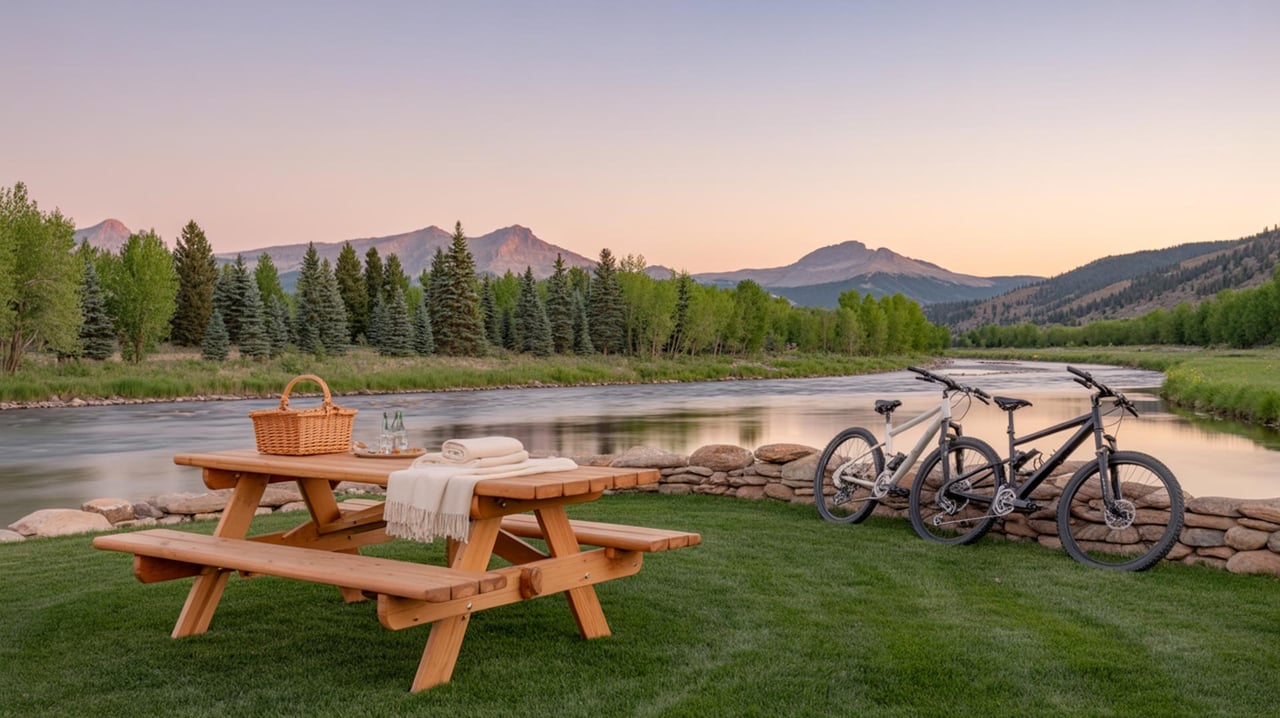
Elsewhere in town, Gore Creek and the wider valley add another layer of summer recreation. Vail notes that Gore Creek is one of Colorado’s Gold Medal fishing streams, while the valley’s visitor materials highlight rafting, river parks, hiking, biking, and on-the-water activities. If you want a home that works for active mornings and relaxed afternoons, Vail’s summer setting supports that well.
Not every second-home owner wants the same kind of summer experience. In Vail, neighborhood choice shapes how close you are to events, trails, dining, and everyday convenience. That is especially important if you plan to use your home often during the warmer months.
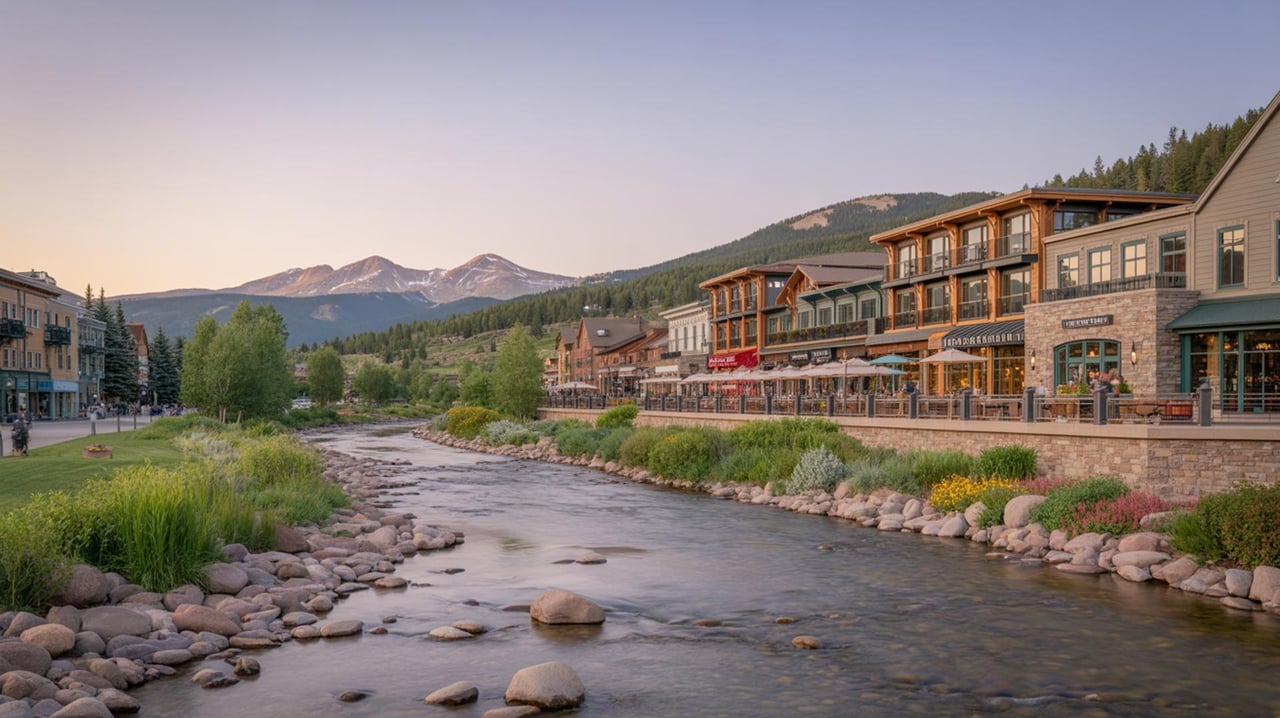
Vail Village is the most event-centered part of town. Town planning documents emphasize active pedestrian ways, plazas, and outdoor dining, and Discover Vail describes the village as a pedestrian-first setting with patios, restaurants, and easy access to nearby activity. If you want to walk to the market, dinner, or an evening performance, this area offers that kind of convenience.
For some buyers, that walkable energy is the point of ownership. A second home here can feel connected to the social side of Vail, especially during peak summer weeks.
Lionshead offers a similar sense of access with a slightly different feel. It connects easily to Vail Village by a 10- to 15-minute walk or free bus, and the Eagle Bahn Gondola carries hikers and mountain bikers up to summer trails. That makes it appealing if you want quick access to mountain activities without depending entirely on a car.
For many owners, Lionshead works well as a lock-and-leave option. You can arrive, settle in, and start enjoying the mountain and village atmosphere right away.
Cascade Village offers a more retreat-like setting while still keeping you close to the action. Discover Vail describes it as a quieter creekside area with lift access, dining, spa amenities, and nearby trailheads. If you want summer use to feel peaceful but not isolated, this can be a compelling middle ground.
This kind of location often appeals to buyers who value balance. You can enjoy Vail’s event calendar, then return to a calmer setting at the end of the day.
East Vail is described as scenic and more secluded, with Gore Creek nearby and access to the free bus route. West Vail is known more for practical convenience, including groceries, parking, and bus access. Both can suit buyers who want a more residential feel while staying connected to town.
The larger point is simple: summer ownership in Vail can feel event-adjacent or retreat-oriented. Your best fit depends on how you want to spend your time here.
Summer ownership becomes more appealing when getting around feels easy. Vail’s free year-round bus service and recreation path system help connect the villages and neighborhoods without making every outing car-dependent. That convenience can shape how often you use your home and how relaxed each visit feels.
The town highlights more than 15 miles of paved recreation paths, and Vail Mountain adds more than 35 miles of trails. For an owner, that means you can move from neighborhood to village, trailhead to patio, or morning ride to evening concert with less friction. In a second-home setting, ease matters.
A lively summer season does not guarantee appreciation or rental income, but it can support a property’s broader appeal. Vail’s event programming is part of the town’s economic framework, not just a seasonal extra. The town levies a 1.4% lodging tax, and those proceeds are earmarked for public events, business recruitment, and tourism promotion.
That detail matters because it shows ongoing support for the visitor and ownership experience. When a market invests in programming, access, and year-round activity, it can strengthen how buyers and guests perceive the value of being there. For second-home owners, that can add confidence in the lifestyle case for ownership.
Some second-home buyers also want the option to rent their property during parts of the summer. In Vail, that can be part of the ownership story, but it comes with clear local requirements. Before advertising or operating a rental of fewer than 30 consecutive days within the Town of Vail boundary, an owner must have an approved short-term rental license.
That means compliance should be part of your planning from the start. If rental flexibility matters to you, it is smart to evaluate both the property and the local rules early in your search.
When you look at second-home ownership in Vail through a summer lens, the value proposition becomes more complete. You are not just buying access to ski season. You are buying into a town with recurring events, walkable village life, trail access, transit convenience, and a long warm-weather season that supports regular use.
That is where local guidance becomes especially valuable. The right property depends on whether you want to step out your door to the Farmers’ Market, walk to a concert, hop on the gondola, or spend quieter days near the creek and trails. If you want help matching your lifestyle goals with the right Vail neighborhood and ownership strategy, DeDe Dickinson can help you navigate the market with the kind of local insight that makes a difference.
Stay up to date on the latest real estate trends.