What Everyday Life Is Like In Vail Village
DeDe Dickinson February 5, 2026
DeDe Dickinson February 5, 2026
What does an average day feel like at 8,150 feet in Vail Village? If you’re considering a second home or planning for retirement here, you want real insight into rhythms, not just resort highlights. In this guide, you’ll learn how daily life flows across seasons, how walkable errands work, what to expect from transit and events, and the practical side of owning a home in the Village. Let’s dive in.
Living in Vail Village means life at a high‑alpine elevation of about 8,150 feet, with mountain summits above 11,500 feet shaping your routines. You’ll notice the thinner air for the first few days, so hydration and a lighter early schedule help. Morning sun, quicker weather shifts, and cooler nights are part of the daily rhythm. Once you adjust, the altitude becomes part of the appeal, especially with quick access to the mountain and trails.
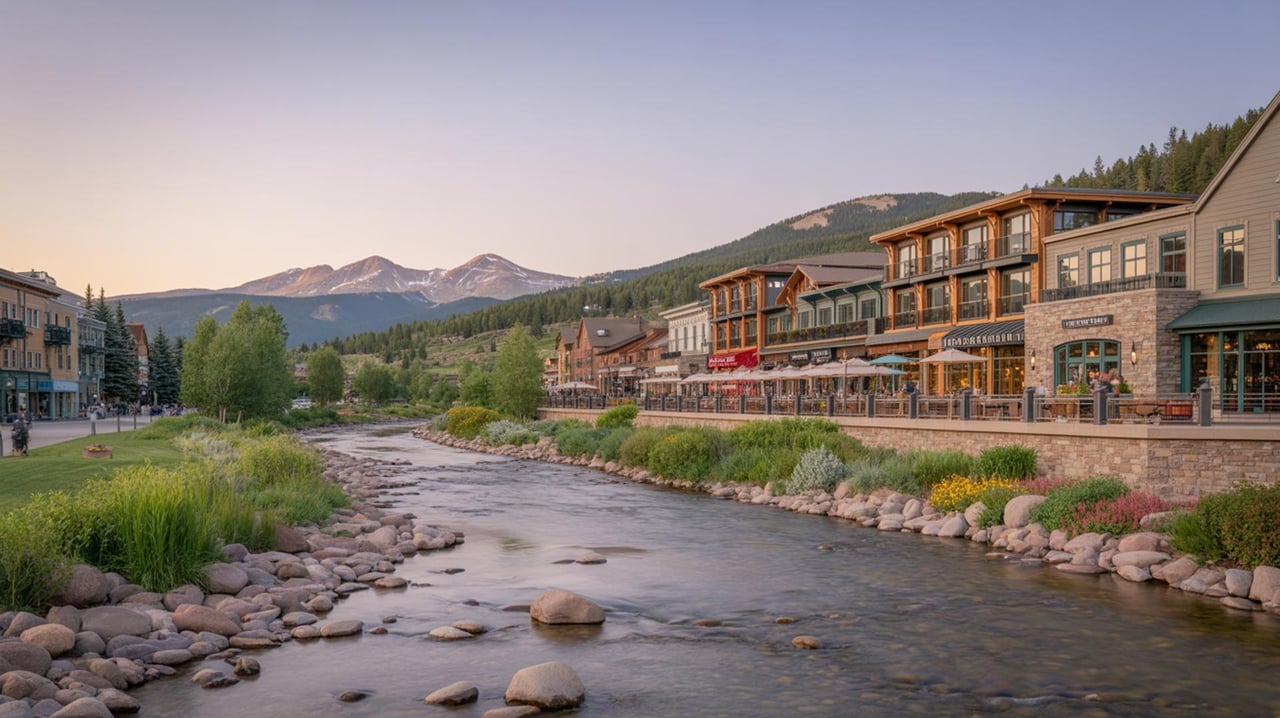
Vail Village is intentionally pedestrian oriented. Sidewalks, pedestrian streets, and a compact layout make it easy to reach coffee, markets, gear shops, and casual dining on foot. Most daily errands are a short walk if you live in or near the core. Winter snow removal is efficient, but paths can be slick after storms, so good footwear is essential.
Free town and resort shuttles link the Village with nearby neighborhoods and parking areas. Service levels rise in peak seasons and scale back in shoulder months. If you live in the core, you may drive less and rely on walking or buses for most trips. Parking is limited in the densest areas, and rules tighten on busy days.
Vail sits off I‑70 in Eagle County, roughly 100 miles west of Denver, which usually means a 1.5 to 2 hour drive in good conditions. Eagle County Regional Airport in Gypsum offers seasonal and year‑round flights for a quicker valley arrival. Winter weather can slow travel, so residents often check road reports before heading out. Flight schedules shift with the season, which influences weekend arrival patterns for second‑home owners.
On snowy mornings, you’ll feel the town wake early. Many residents grab a quick coffee, check gear, and walk to the gondola or lifts. If you’re not skiing, this is the time to run errands before the late‑morning rush. Locals working in hospitality or mountain operations often start their day before dawn.
Foot traffic builds near the base as lifts spin and on‑mountain plans take center stage. Gear services and storage are busy, and restaurants fill through lunch. If you live in the core, you may time walks along quieter streets during peak hours. Short breaks at home between runs are common when you’re a few minutes from the lifts.
Après sets a lively tone from mid‑afternoon into early evening. Expect a social buzz near lift access points that can influence transit wait times and ambient noise. Early dinner reservations are popular, and live music is common on select nights. If you prefer calmer evenings, you’ll learn the quieter corners and routes home.
Snow management is part of daily life. Plan for plowing, shoveling, and occasional snow‑storage piles near streets and walkways. Weekends and holidays are the busiest, with more foot traffic, longer lines, and higher demand for services. A flexible schedule helps you enjoy peak moments while avoiding the biggest crowds.
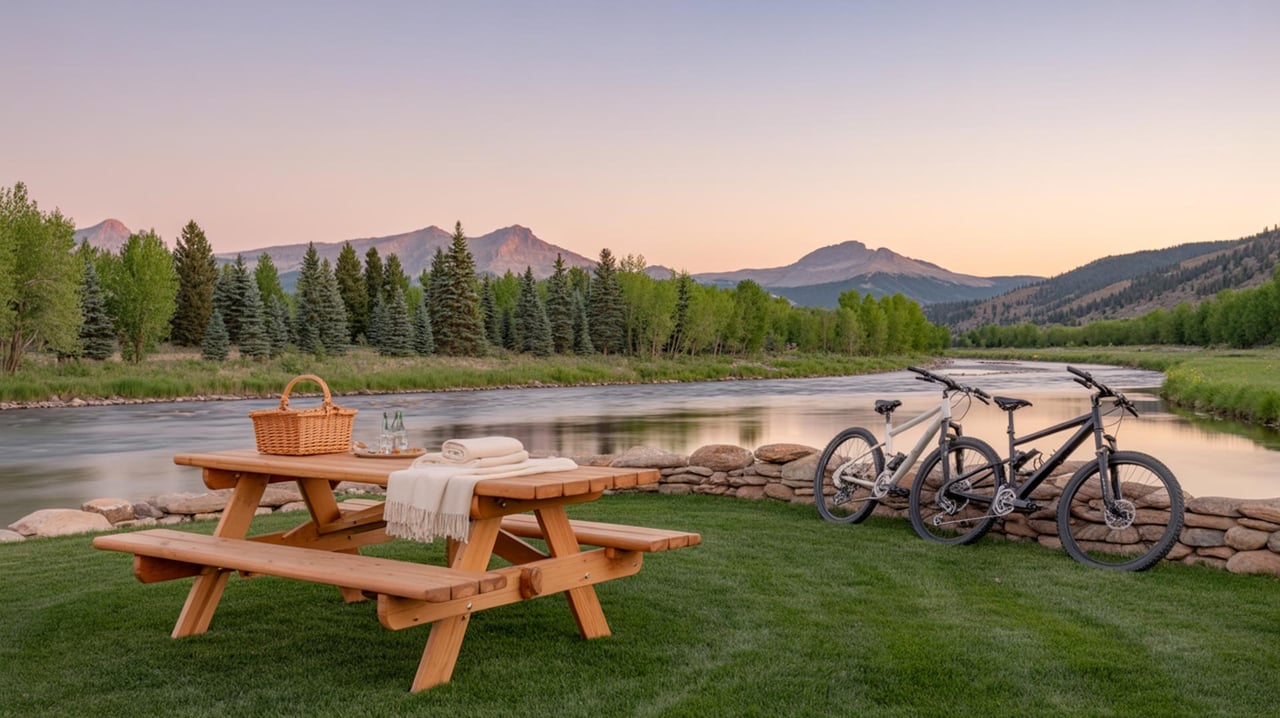
Summer mornings start slower, with coffee on a patio, a trail run, or a bike ride before the day warms. Many residents stroll to markets or meet friends for a late breakfast. Mountain and river activities fill the late morning. With longer daylight, you have more time to balance outdoor fun and errands.
The streets feel lively but generally less congested than winter peak periods. Outdoor dining and patios play a big role in daily life. You’ll see residents host visiting friends, plan afternoon hikes, or head downvalley for larger errands. Landscaping and exterior maintenance are common in this season.
Concerts, film nights, and cultural events cluster on specific dates, so the calendar shapes your week. Some nights feel festive, while others are quiet and focused on long, mellow walks through the Village. You’ll learn when to book ahead and when to keep it spontaneous. It’s a graceful rhythm that balances energy with calm.
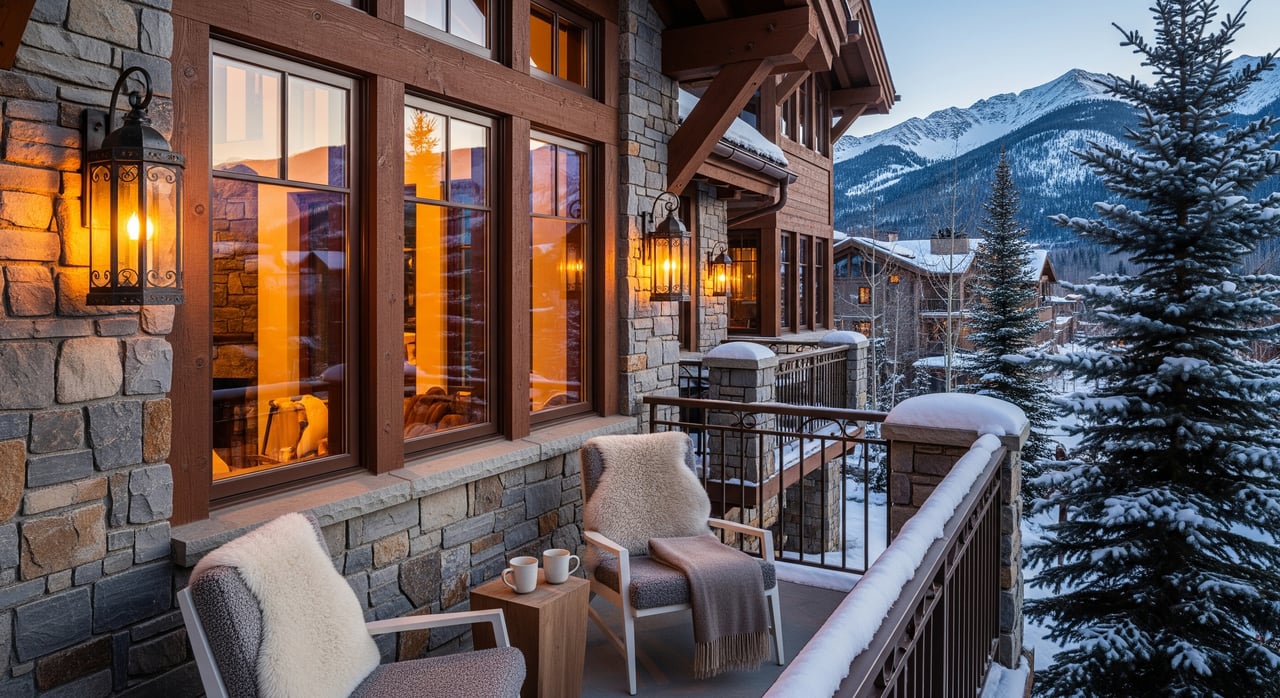
Dust, pollen, and roadwork come with the summer build season. Plan ahead for construction timing and occasional detours. With extended daylight, you can schedule house projects earlier or later to avoid midday heat. Outdoor living shines in this season, so patios and balconies get extra use.
Late March through May is a true transition. Some days deliver great spring skiing, while others feel like early summer in town. Visitor density drops during weekdays, and some businesses reduce hours. Many owners schedule repairs and renovations in this window to be ready for summer.
Autumn is the quietest stretch, with crisp mornings and relaxed sidewalks. You’ll see residents deep clean, service mechanical systems, and prepare homes for winter. Early snow can arrive in late fall, which means it’s smart to winterize vehicles, check heating systems, and plan for the first icy mornings.
You can handle many daily needs within a short walk in the Village, including markets and specialty items. For larger grocery runs or big‑box shopping, nearby valley towns offer more selection a short drive away. Boutique shops and gear stores cluster along pedestrian routes. Hours may shift with the season, so it helps to check before you go.
Comprehensive hospital and clinic services are available in the valley through Vail Health. For highly specialized care, you may travel to larger regional centers. Mountain safety is part of everyday awareness in winter, including slippery sidewalks and changing road conditions. If you explore beyond maintained areas, understand weather patterns and seasonal risks.
Pet care, grooming, and veterinary services exist locally but book up fast in peak months. Plan ahead for appointments around holidays and school breaks. Property management, snow removal, and seasonal maintenance are core services in the Village. Many second‑home owners rely on managers and smart monitoring to protect vacant homes.
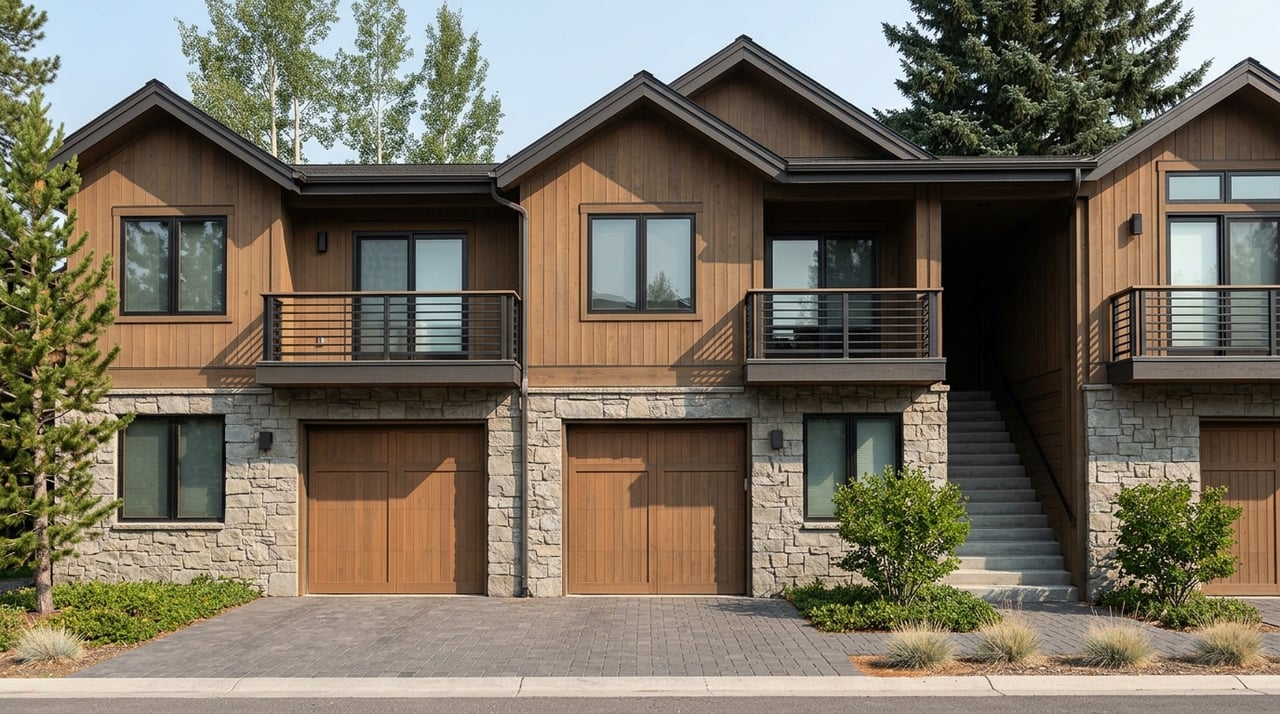
Expect a mix of condos and townhomes in the Village core, with luxury homes and townhomes in surrounding neighborhoods. Many properties function as second homes or short‑term rentals. This mix creates periods of lively activity and quieter stretches, depending on the season and event calendar. Understanding building‑level policies and neighbor patterns helps you pick the right fit.
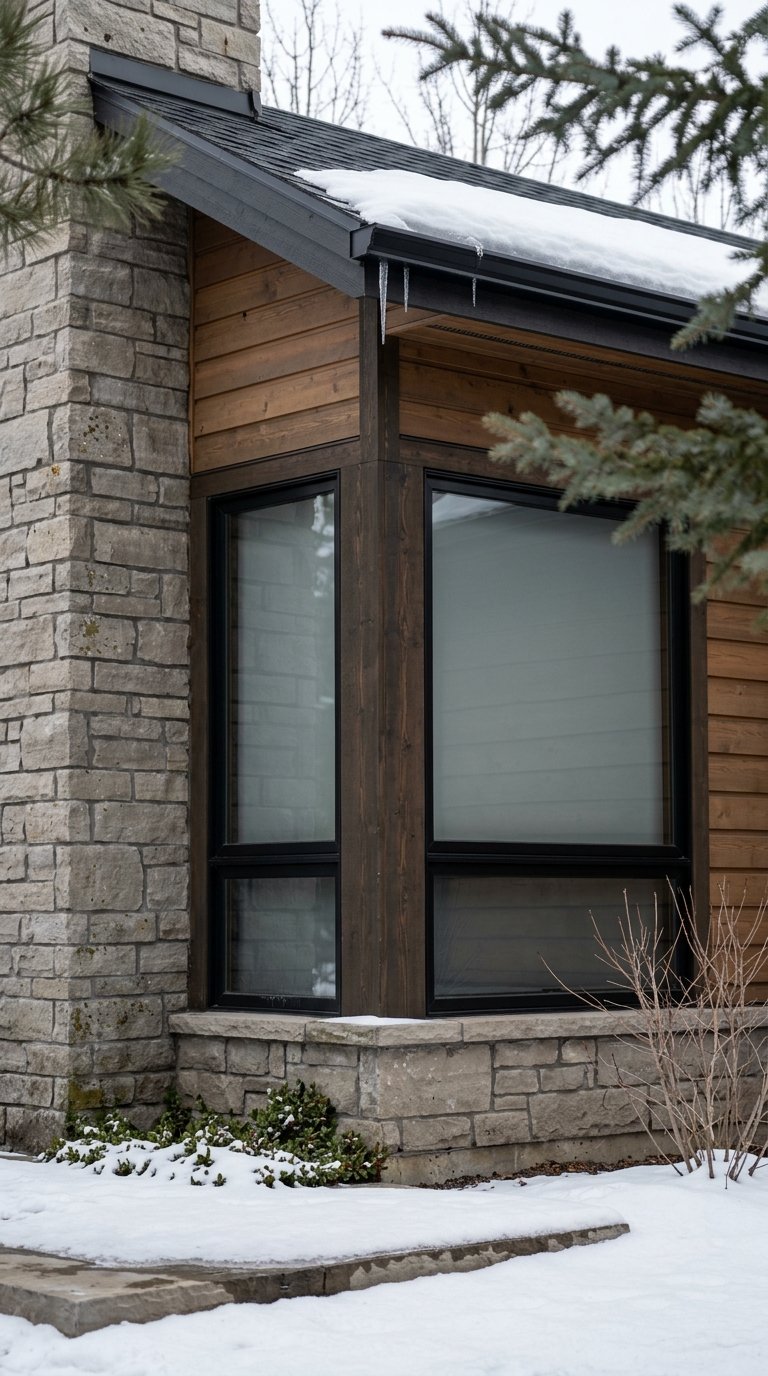
Snow removal, ice dam prevention, and roof and gutter care are routine. Winter utilities can run higher to protect against freezing, especially if you keep a home warm while away. Schedule HVAC service and maintenance early since contractor calendars fill up before winter and summer. A well‑planned service roster reduces surprises and keeps your home ready for visits.
Short‑term rentals are common in resort towns. The Town of Vail and Eagle County maintain licensing and tax rules, which can change over time. Before you model rental income, confirm current permit requirements, occupancy limits, and any lodging taxes that apply. Review HOA covenants closely, as many communities control rental windows, exterior modifications, and renovation timing.
Mountain properties often need policy endorsements for snow loads, wind, and freeze‑related risks. Premiums vary by property characteristics and location. If a home sits in a mapped hazard area, additional mitigation or underwriting scrutiny may apply. Obtain quotes early in your search so carrying costs are clear.
Colorado has a flat state income tax, and property taxes vary by county and municipality. Special districts and assessments can apply to certain properties. If you plan to rent, understand how sales and lodging taxes work for transient occupancy. Your advisor and local tax offices can help you build a complete operating budget.
Resort‑area markets can move in seasonal cycles and respond to broader travel and policy trends. Homes near the lifts or Village core often enjoy stronger year‑round demand. Older condos or buildings with limited parking may take longer to sell than modern, well‑amenitized properties. Preparing for market with strong presentation and timing can improve outcomes.
A seasoned Vail advisor helps you decode seasonality, compare buildings by walkability and noise patterns, and verify the details that define daily life. You get insight on HOA rules, expected carrying costs, and vendor access so your home works smoothly whether you are in residence or away. When you are ready to explore properties that match your lifestyle goals, connect with an advisor who can tailor the search and handle the details. For confidential guidance and a clear plan, reach out to DeDe Dickinson.
Stay up to date on the latest real estate trends.