High Elevation Living in Edwards: What Buyers Should Know
December 4, 2025
December 4, 2025
Thinking about a home in Edwards and wondering how it performs at altitude? You are smart to ask. Mountain properties face unique conditions that affect comfort, safety, maintenance, and long-term value. In this guide, you will learn the essentials that matter most in the Vail Valley, from snow loads and freeze protection to wildfire, floodplain checks, utilities, inspections, and seasonal upkeep. Let’s dive in.
Edwards sits in the Vail Valley with neighborhoods spread across the river corridor and surrounding hillsides. Elevation varies by site, so it pays to confirm the exact elevation for any property you are considering. That affects how long snow lingers, freeze risk, and how a home absorbs sun.
Microclimates are real. South-facing homes often melt sooner and feel brighter in winter, while north-facing lots can hold snow and ice longer. Valley bottoms and benches can also see wind and drifting patterns that shape where snow accumulates on roofs and driveways.
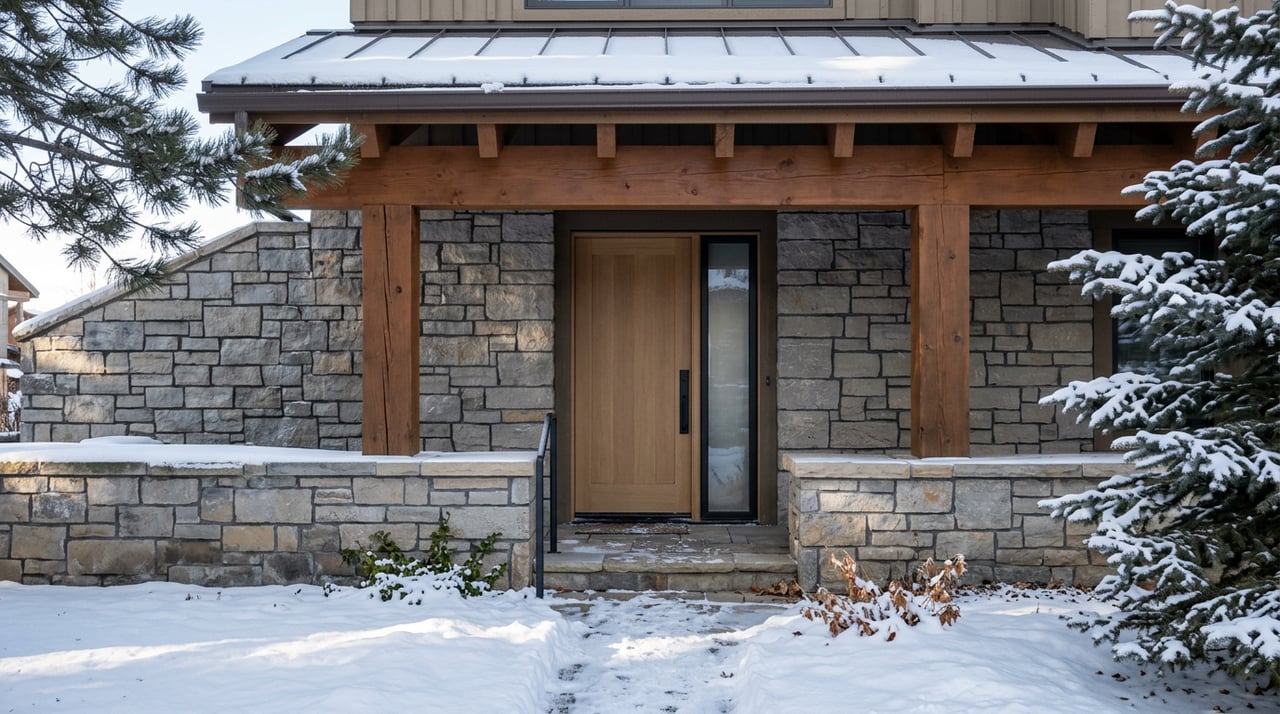
Winters are long with regular snowfall and freeze-thaw cycles. Roofs must be designed to handle snow loads and shedding. You should also plan for ice-dam prevention, driveway snow removal, and winterized plumbing to protect pipes.
Solar exposure varies by slope and orientation. South-facing glazing can offer welcome passive heat on sunny days. North-facing lots may need extra attention to ice management and roof details.
Western Colorado has seasonal wildfire risk that varies by neighborhood and vegetation. Look for defensible space and fuel breaks, and ask about community mitigation programs. These steps can influence insurance options and long-term resilience.
The Eagle River corridor includes mapped floodplain areas. Spring snowmelt can raise water levels. Before you buy, check floodplain designations and ask how drainage is managed on the lot.
Mountain wind events can be strong and influence roof performance, tree safety, and drifting snow. Properties near steep slopes or gullies may warrant a geotechnical review to evaluate stability and potential slope hazards.
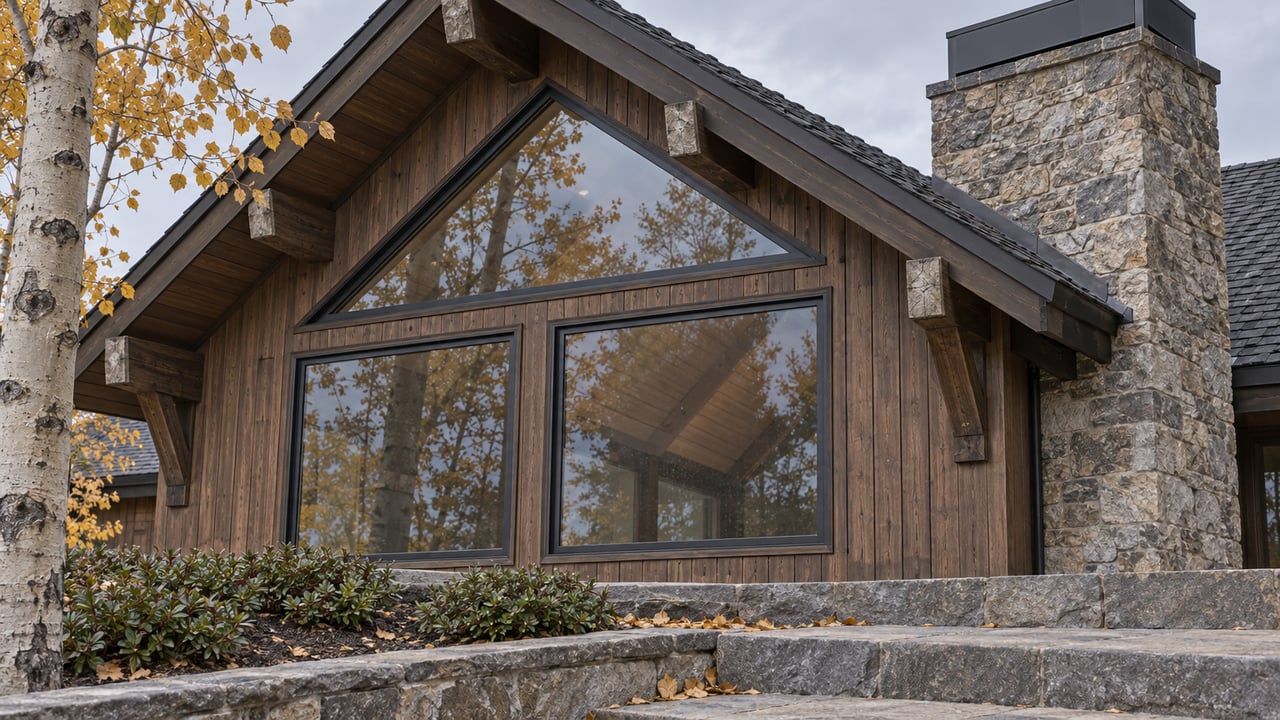
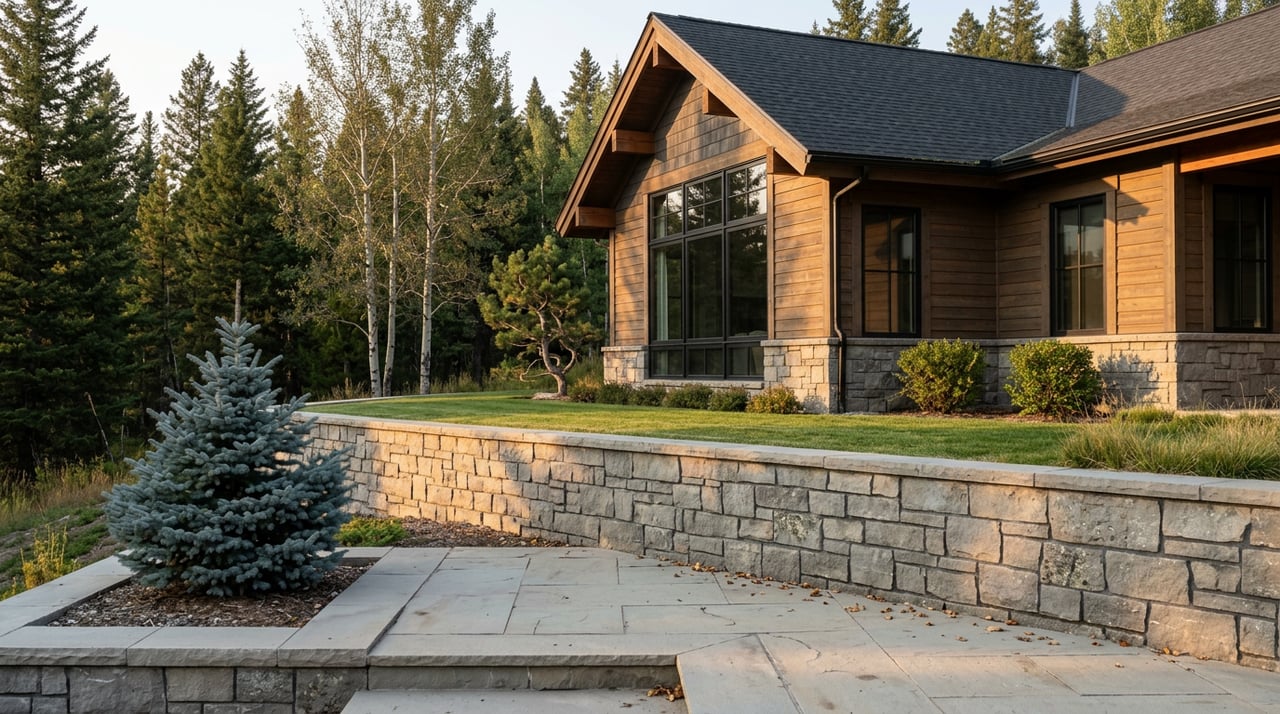
A steep roof pitch and durable materials work best in snow country. Many mountain homes use standing-seam metal or architectural shingles rated for high snow loads. Controlled snow retention and snow guards help manage slides above entries, decks, and driveways.
Ice-dam prevention starts with proper attic insulation and ventilation. Heat cables can help in problem areas, but insulation, air sealing, and flashing are primary solutions.
High R-value insulation and good air sealing cut heating costs and reduce condensation. Balanced ventilation, such as an ERV or HRV, helps manage indoor humidity and air quality. In cold climates, proper vapor control is essential to prevent hidden moisture issues.
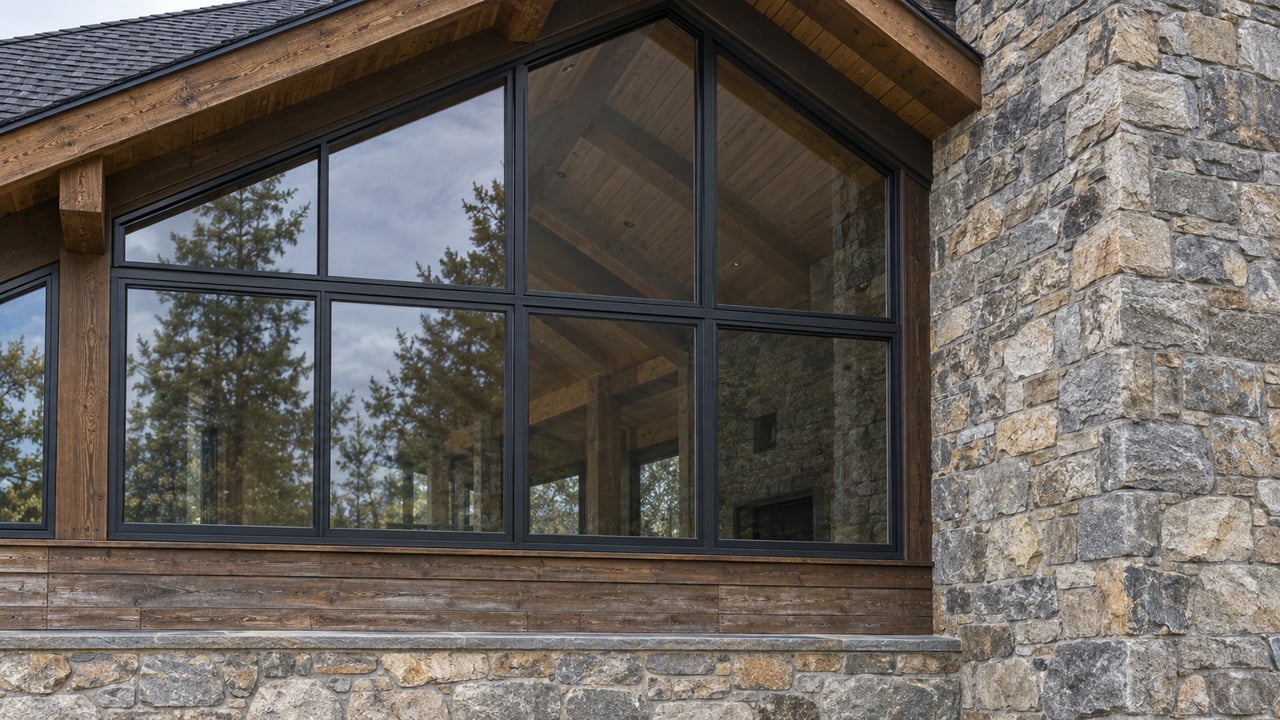
High-performance double or triple-pane windows with low-e coatings improve comfort and reduce heat loss. If you have significant south-facing glass, plan for shading to maintain summer comfort.
Footings need to extend below local frost depth to avoid heave. Basements and crawlspaces should be insulated and managed for moisture. Slab areas require insulation and attention to perimeter drainage.
Exposed or poorly insulated pipes are at risk during cold snaps. Insulation, heat tracing, and maintaining a minimum interior temperature are common safeguards. Exterior hose bibs should be frost-free or fully winterized.
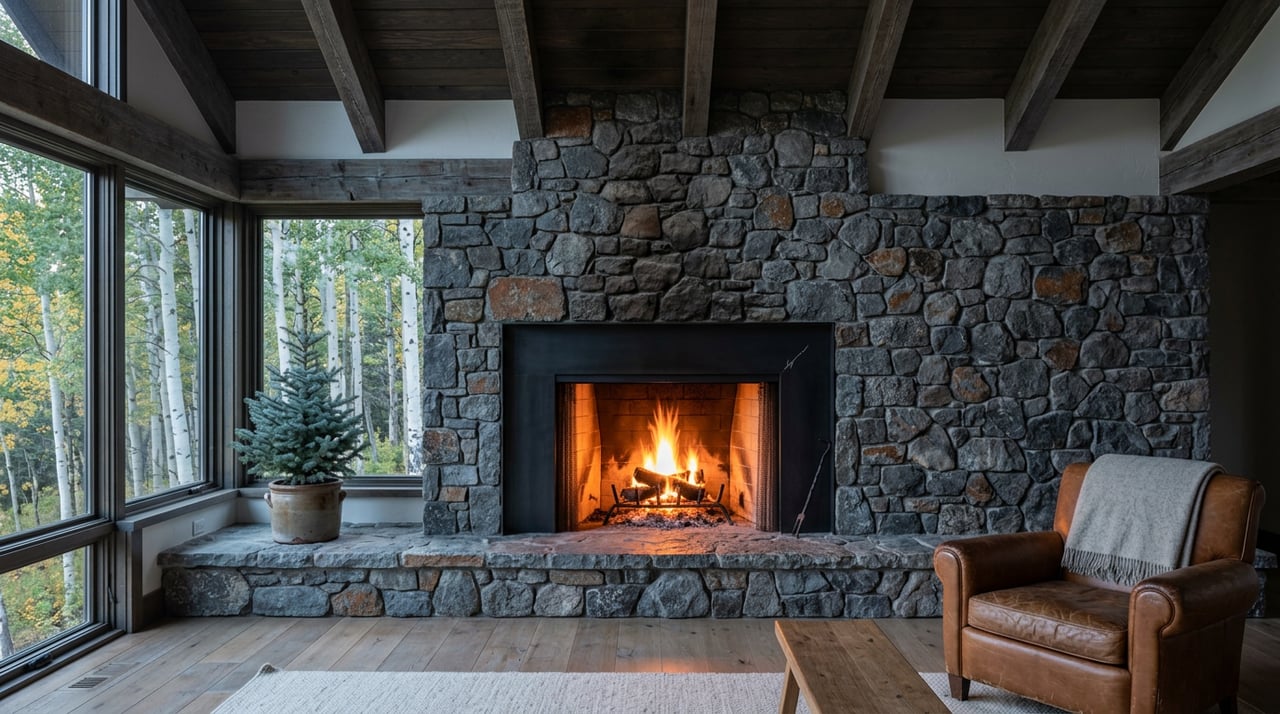
You will see high-efficiency gas furnaces and boiler systems with hydronic heat across Edwards. Cold-climate heat pumps are increasingly viable in many mountain homes, often paired with a gas or electric backup for extreme conditions. Wood-burning stoves and fireplaces remain popular for ambiance, provided chimneys and clearances meet code and local air-quality rules.
Tankless and high-efficiency tank systems are both common. On-demand systems can be efficient for intermittent use, which suits many second homes.
Mountain weather can cause occasional outages. Many owners consider whole-house generators or battery backup. Solar PV can pair well with batteries, and high-altitude conditions can slightly improve PV performance due to strong sun and cooler temperatures.
Some properties are on municipal or special district services, while others rely on private wells and septic systems. At altitude, wells should be evaluated for depth, yield, pump reliability, and freeze protection for exposed components. Septic systems must match soil conditions and cold-climate design. Always verify water rights, well logs, and recent septic inspections.
Service quality varies by neighborhood. If you work remotely, confirm broadband type and speed for the exact address and assess cell coverage before you commit.
Public roads are plowed by local agencies, but winter access can still be affected by storms. Private driveways, shared roads, and sidewalks may be the owner’s or the HOA’s responsibility. Make sure you understand who handles snow removal, where equipment can be stored, and how steep driveways are maintained.
Beyond a standard home inspection, consider specialized reviews that address mountain-specific risks:
These inspections can help you avoid costly surprises and support smarter negotiations.
Insurance in heavy-snow or high-fire areas can carry different premiums and underwriting requirements. Ask about wildfire mitigation credits, required hardening, and any exclusions. If a property sits within a floodplain or has a history of water claims, flood insurance may be needed.
Building codes in Eagle County adopt international standards with local amendments that address snow load, frost depth, and wildfire mitigation. Renovations and additions typically require permits and inspections. Short-term rental rules and taxes vary by jurisdiction and HOA, so verify current licensing and restrictions if you plan to rent.
If you are new to high elevation, allow time to acclimate. Plan for 24 to 72 hours of easier activity, hydrate well, and consult your physician if you have cardiopulmonary concerns. Public transit exists within the valley and regional service varies by season, but many owners still drive for daily needs. In winter, commute times can lengthen during storms.
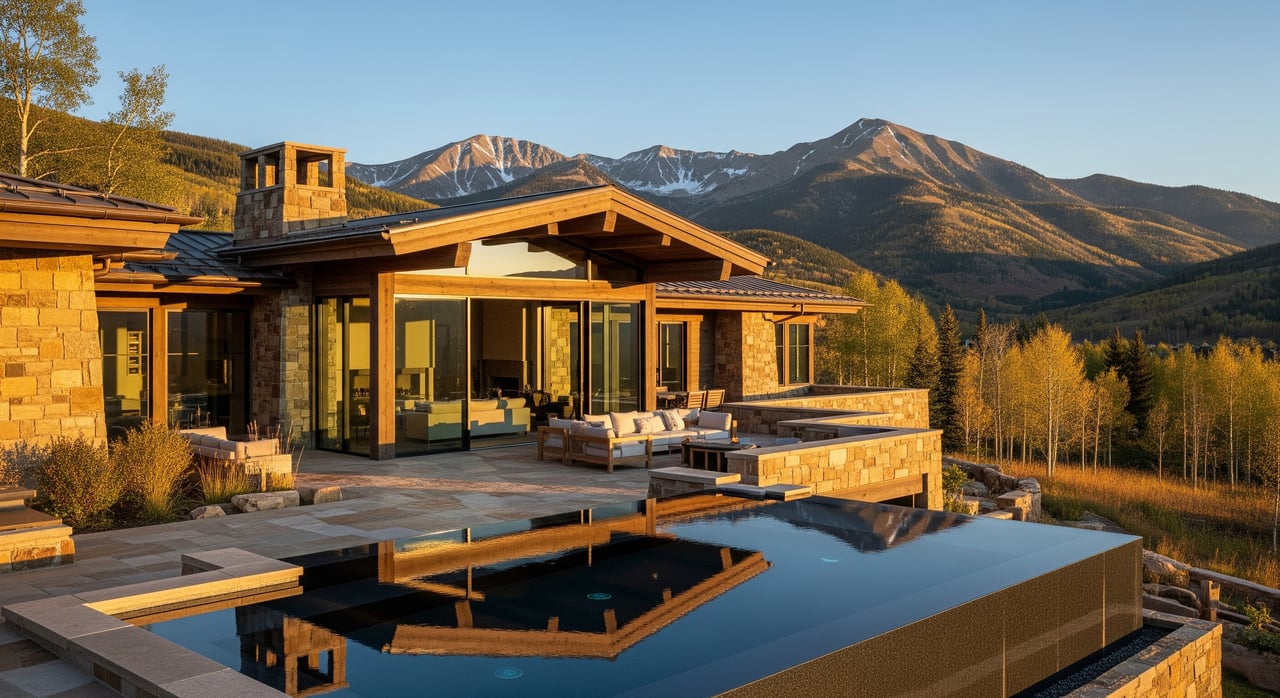
Outdoor access is a major draw. Skiing, hiking, biking, and river time shape daily life. With that comes upkeep: winterize irrigation, protect hot tubs and outdoor kitchens from freeze damage, and monitor riverbank landscaping for erosion.
Use this quick checklist to focus your due diligence:
Right after closing, set the home up for safe and efficient winter living:
Mountain homes offer big lifestyle benefits along with operating costs that reflect the climate. Heating is the largest energy driver and is influenced by insulation levels, system type, and your fuel source. Snow removal, exterior maintenance, and insurance are additional line items to price into your plan. A clear budget helps you enjoy the good days on the mountain with fewer surprises at home.
A high-elevation home in Edwards can be a joy when it is built and maintained for the climate. If you want a trusted local advisor to help you evaluate properties, coordinate the right inspections, and connect you with vetted vendors, reach out to DeDe Dickinson.
Stay up to date on the latest real estate trends.