Thinking about selling in Vail but not sure when to list? In a resort market where seasons drive buyer behavior, timing can shape your price, speed, and stress level. You want a plan that fits your goals and the way Vail’s market really moves. In this guide, you will learn how ski and summer seasons affect demand, what metrics to watch, and how to time your launch for the strongest result. Let’s dive in.
Vail market seasonality
Vail is a true four-season market, but buyer attention peaks during winter ski season and mid-summer. These windows bring more in-person visits, stronger emotional pull, and faster decisions. Shoulder months can see fewer buyers, yet you may face less competition if inventory dips.
Your best timing depends on your property type, your goals, and how your home shows in different seasons. A ski-in condo shines in January. A mountain estate with expansive outdoor living may do best in July. The key is aligning your listing with the buyers most likely to act for your specific home.
Who is buying and when
- Second-home buyers often schedule trips around holidays, ski weeks, or summer vacations, and they like to make decisions while they are in town.
- Investors track short-term rental potential and local rules, and they compare seasonal revenue patterns.
- Local year-round buyers watch inventory and pricing across Eagle County but can move quickly when a fit appears.
Best listing windows by season
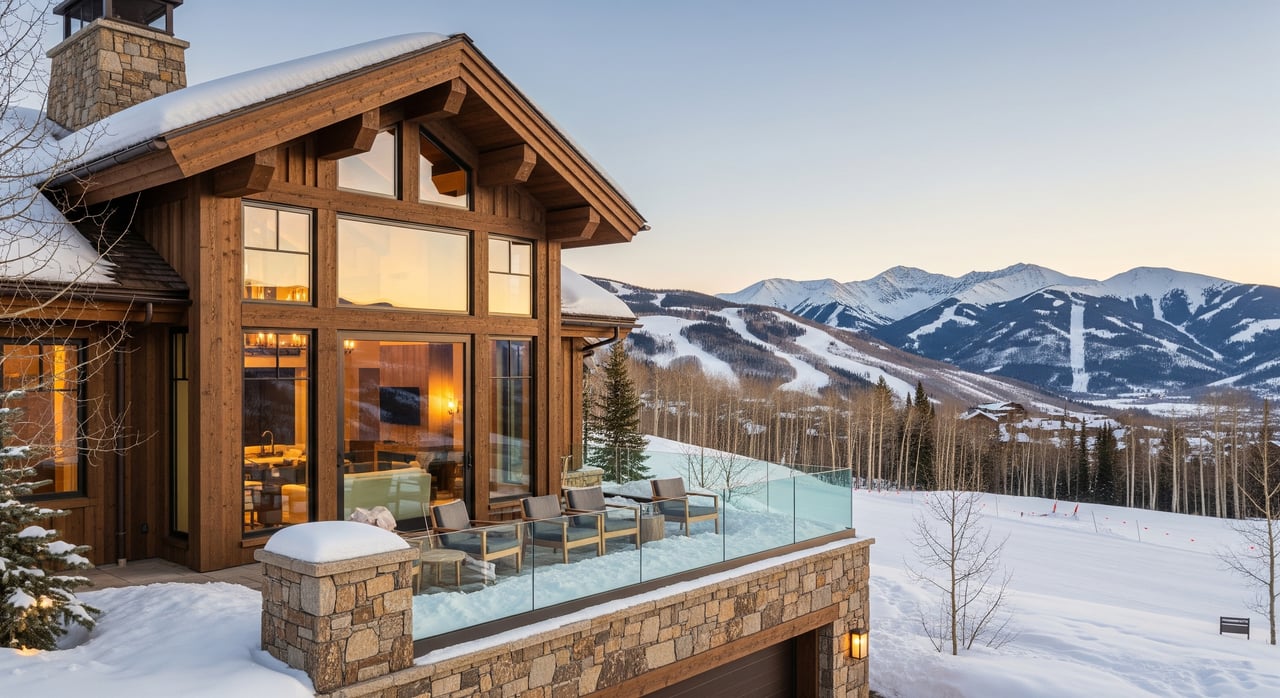
Winter listing: late November to March
- Pros
- Highest visibility to ski-focused buyers visiting in person.
- Strong emotional appeal when ski access, snow views, and winter amenities are front and center.
- Many visitors aim to purchase for next season, which can speed decisions.
- Cons
- Showings can be difficult if you have guests or active short-term rentals.
- Weather and holiday schedules can slow inspections and closings.
- Tactics
- Coordinate showing windows with your property manager and cleaning team.
- Feature heated garages, mudrooms, boot dryers, and ski storage.
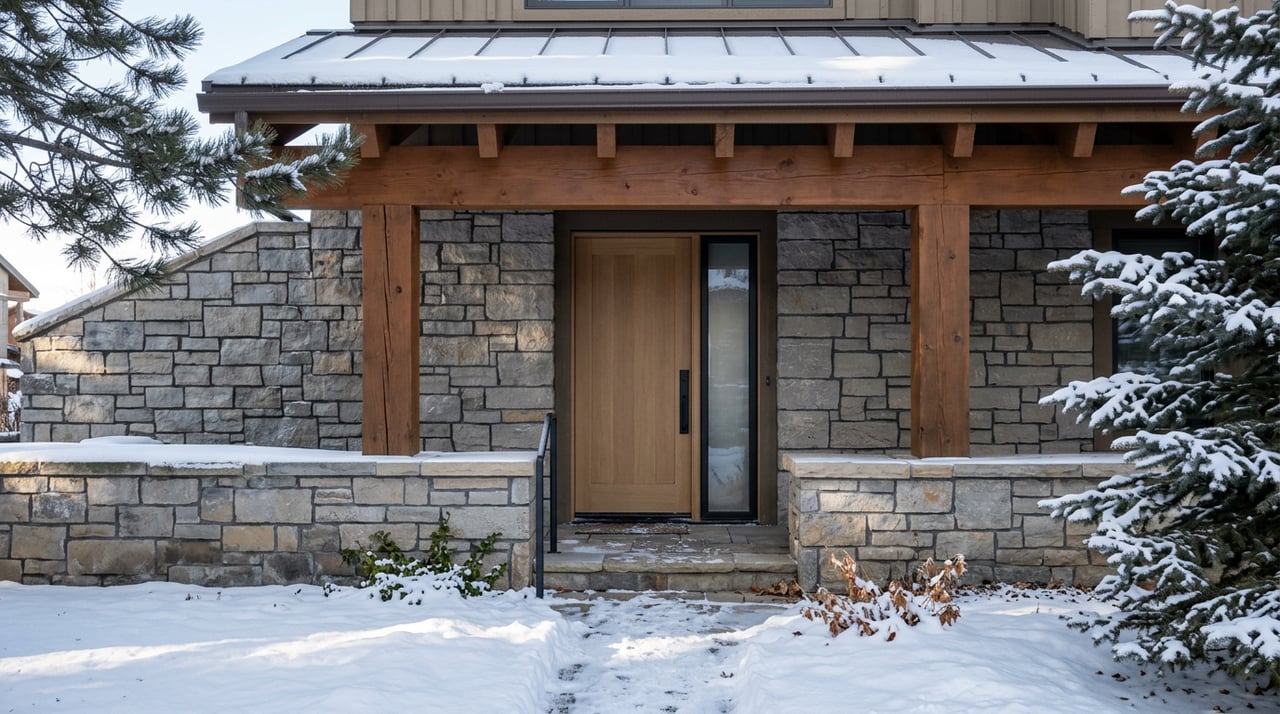
- Keep paths de-iced, entries well lit, and access safe for all visits.
Spring listing: April to May
- Pros
- You can capture buyers who missed winter and are planning for summer.
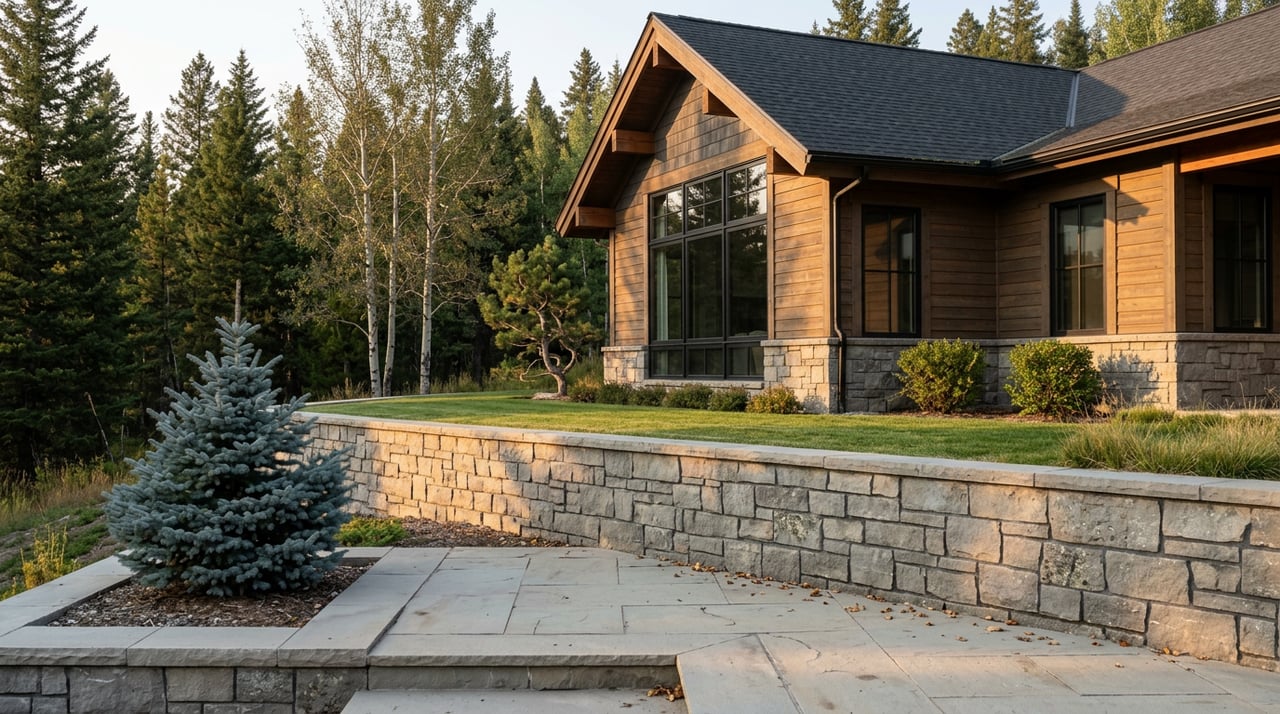
- Snowmelt reveals roof, drainage, and driveway issues you can fix before launch.
- Cons
- Shoulder season can bring lighter visitor traffic.
- Curb appeal may be uneven during freeze-thaw cycles.
- Tactics
- Complete maintenance triggered by melt, especially roof and grading.
- Use coming-soon marketing to gather interest ahead of summer travel.
Summer listing: June to August
- Pros
- High visitation for hiking, biking, and festivals increases foot traffic and showings.
- Properties with outdoor living, views, and proximity to trails present beautifully.
- Buyers plan ahead for winter, so summer can attract both lifestyle and ski-minded purchasers.
- Cons
- If your property is rented, showings may compete with peak bookings.
- Some ski-only buyers wait until fall or winter to engage.
- Tactics
- Showcase decks, patios, landscaping, and view corridors in photography.
- Offer flexible showing blocks to work around guest calendars.
Fall listing: September to November
- Pros
- Inventory can thin out, which boosts visibility for well-prepared listings.
- Buyers often want to secure a home before the holidays and ski season.
- Foliage and clear skies help with stunning photography.
- Cons
- Some buyers prefer to assess snow conditions and true ski access before writing.
- You may need to prepare early for winterization and snow removal.
- Tactics
- Emphasize ski access, winter-readiness, and the ability to close before peak holidays.
- Line up snow removal and inspection schedules in advance.
Align timing with your goals
Maximize price
Aim to list when your target buyer is most likely to be in town and emotionally engaged. For ski-in or walk-to-lift properties, winter visibility can be powerful. For homes with major outdoor living, late spring and summer photography and showings can help you command a premium.
Sell faster
Speed has more to do with market balance than the calendar. Watch months of supply and days on market. Listing into a tight inventory period with polished presentation and strategic pricing gives you the best shot at a quick result.
Protect rental income
If your home generates short-term rental revenue, plan ahead so you do not sacrifice peak-season income. Use blocked periods for showings, and provide virtual tours to minimize disruption. Many sellers maintain bookings while marketing, then transfer future reservations at closing if allowed.
Time a specific closing
Work backward from your target move date. Typical closings range from 30 to 60 days, and holiday timing can extend that window. If you want possession after ski season or before summer, start prepping and photography several weeks earlier and price to the current market, not last season.
Watch key market metrics
Before you set a launch date, review these indicators for Vail and Eagle County:
- Active listings and new listings by month, which reveal your competition.
- Median sale price and price per square foot to anchor expectations.
- Days on market and list-to-sale price ratios to gauge momentum.
- Months of supply to see if it is a seller’s or buyer’s market.
These figures change quickly. Ask your advisor for a current market snapshot that focuses on your property type and micro-location within Vail Valley.
Plan for local rules and logistics
Investor interest depends on permitted rental use. Town of Vail, Eagle County, and HOAs have specific rules on short-term rentals, licensing, occupancy taxes, and minimum stays. Verify what is allowed for your address before you market income potential.
Winter showings require safe, clear access and up-to-date liability coverage. In shoulder seasons, plan for mud, melt, and unpredictable weather. If guests are booked, coordinate with your property manager to create showing windows and clear communication for all parties.
For tax and closing strategy, discuss capital gains, holding periods, and any transfer taxes with your CPA and closing team. Getting documentation ready early helps you avoid delays during busy seasons.
Pre-listing checklist for Vail sellers
- Confirm STR and HOA rental rules, licensing status, and any caps.
- Order a comparative market analysis that uses recent seasonal comps.
- Complete seasonal maintenance: winterize or reverse-winterize as needed.
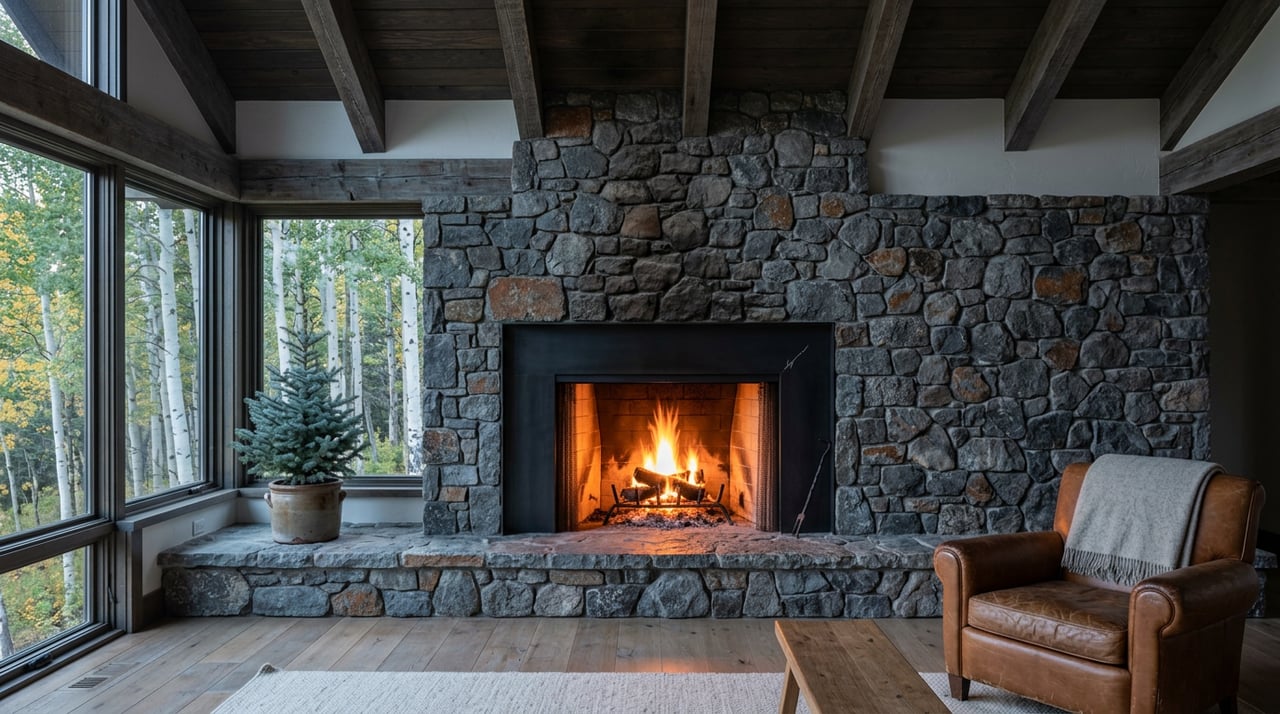
- Inspect roof, gutters, heating systems, and chimneys.
- Stage key spaces and decide whether to sell furnished.
- Gather a property packet: rental history, expenses, HOA documents, permits.
- Schedule professional photography timed to your chosen season.
- Coordinate showing logistics with your manager and cleaning crew.
- Consider a pre-listing inspection and address obvious repairs.
Smart marketing by season
- Winter: lead with ski access, snow imagery, and storage features.
- Summer: highlight outdoor rooms, trail access, and views.
- Shoulder seasons: position value, lower competition, and flexible timing for buyers.
- Year-round: include high-quality video, clear floor plans, and focused distribution to reach out-of-state buyers who research online before traveling.
Timeline to hit the market
- Four to six weeks out: confirm rules, complete maintenance, and book vendors.
- Two to four weeks out: stage, photograph, and build your property packet.
- One to two weeks out: finalize pricing, launch pre-marketing, and align showing logistics.
- Go live: publish your listing, host targeted open windows, and monitor feedback.
A thoughtful, season-aware plan helps you launch when your ideal buyer is paying attention and ready to act. If you want a strategy tailored to your address, property type, and preferred timing, connect with DeDe Dickinson to schedule a private Vail market consultation.
FAQs
Best time to list a ski-in Vail condo
- Winter delivers the strongest in-person engagement for ski-focused buyers, but make sure showings fit around guest stays and highlight on-mountain access.
Best season to sell a Vail luxury estate
- Late spring through summer showcases outdoor spaces, views, and privacy, and it aligns with high-summer visitation for qualified second-home buyers.
How market metrics guide timing in Vail
- Track months of supply, days on market, and active listings; listing into a tighter, low-inventory period often improves both speed and leverage.
Coordinating showings with short-term rentals
- Block dates in advance, use virtual tours, and bundle showings into defined windows to protect revenue and reduce disruption for guests.
Closing timeline during peak ski season
- Plan for 30 to 60 days and build in buffer around holidays since lender and inspection schedules can stretch during busy periods.
Winter photography versus summer photos in Vail
- Use both if possible to speak to ski and summer buyers; lead with the season that best aligns with your target audience and listing launch.
How HOA and local STR rules affect sale
- Rental eligibility and restrictions shape investor demand and valuation; verify and document rules before marketing income potential.