Trying to choose between a Vail or Beaver Creek condo for your second home? The right answer depends on how you want to live, ski, and host. You might prioritize a lively, walkable village, or you might want a quieter, highly serviced base that makes family logistics simple. In this guide, you’ll compare village vibe, building types, ski access, HOA costs, and short-term rental rules so you can match each resort to your goals. Let’s dive in.
Vail vs Beaver Creek at a glance
- Terrain and scale: Vail Mountain offers about 5,300 skiable acres and multiple lift access points, which more accomplished skiers often prefer for variety and back-bowl access. Vail’s mountain overview details the mountain layout and stats.
- Beaver Creek’s footprint: Beaver Creek is more compact at roughly 2,000 to 2,100 skiable acres, with three connected base areas and an emphasis on groomed terrain and services. See the resort’s winter fast facts for context.
- Proximity: The resorts sit about 10 to 15 miles apart, roughly 12 to 20 minutes by car depending on conditions. Check a sample estimate on Travelmath’s Vail to Beaver Creek drive time.
- Airport access: Eagle County Regional Airport (EGE) serves both, typically 30 to 45 minutes away depending on destination and weather.
Village feel and daily rhythm
Vail: lively, walkable, and varied
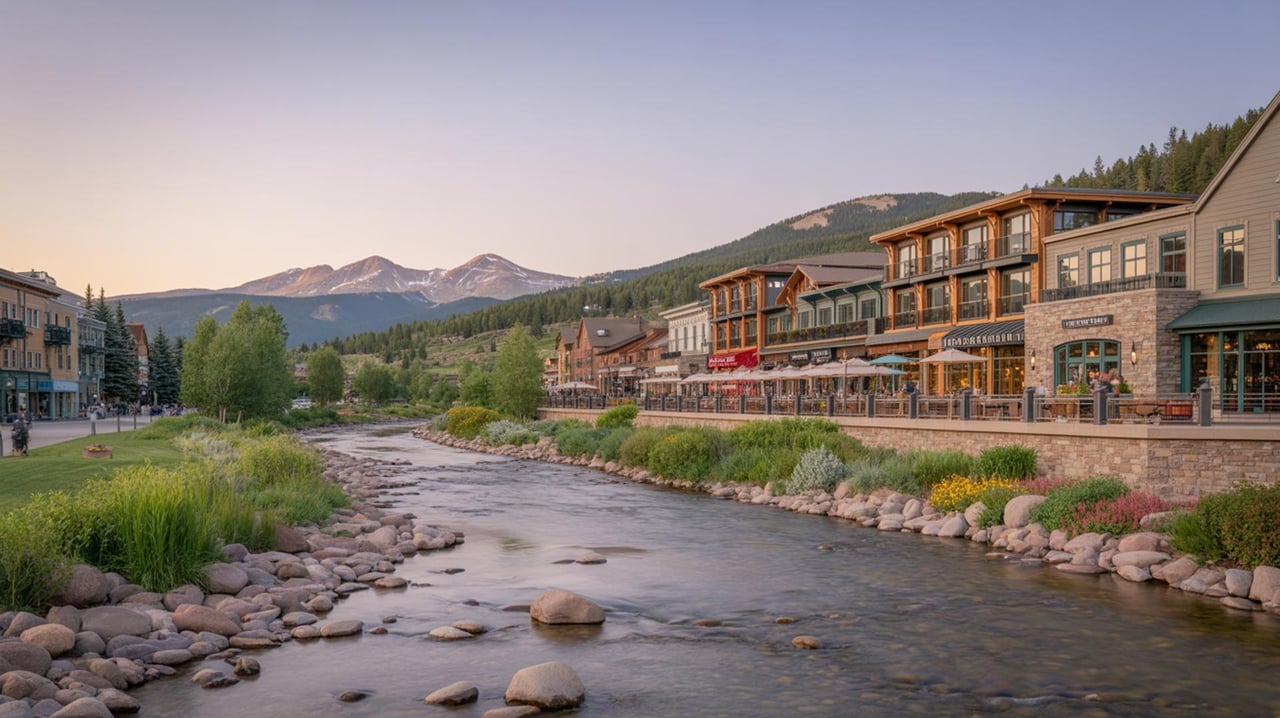
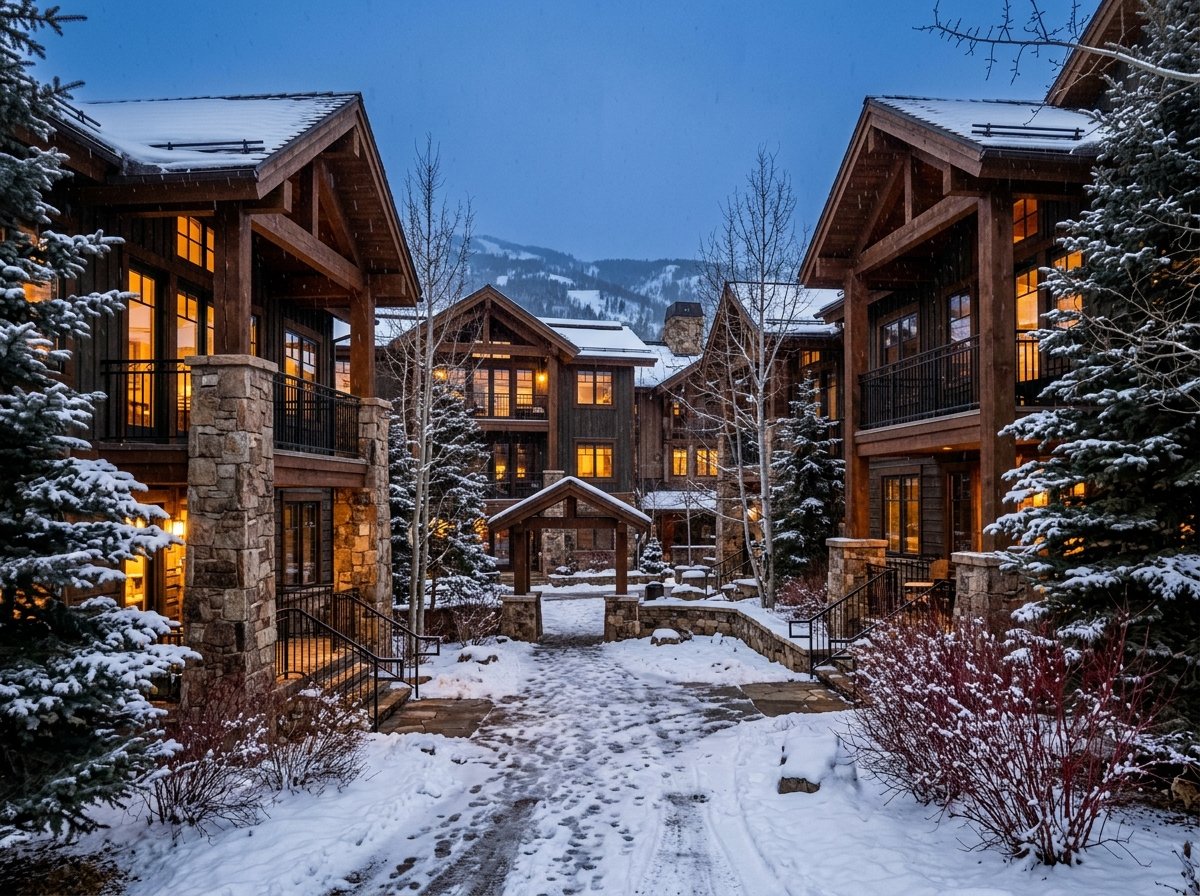
Vail centers on two pedestrian cores, Vail Village and Lionshead, each with lift access, dining, galleries, and retail. You get a broad après scene and a full calendar of summer cultural events. Many buyers who want walkability and more options in one place gravitate to Vail’s village cores. Vail’s mountain info also helps you picture liftheads and terrain connections that shape your day.
Beaver Creek: curated, compact, and service-forward
Beaver Creek Village reads more intentionally planned, with strong family programming and resort services. The resort is known for touches like its afternoon Cookie Time and convenient learning terrain, which make logistics feel simple. If you want a quieter, highly serviced base and easy carry-to-lift access for many buildings, Beaver Creek’s village overview is a useful starting point.
Condo types and ski access
What you’ll see in both resorts
- Condo-hotel and managed residences: Branded properties such as Four Seasons, Ritz-Carlton, and Arrabelle offer concierge, valet, on-site amenities, and optional rental programs. Expect higher HOA or maintenance dues in exchange for turnkey services and hotel-style operations.
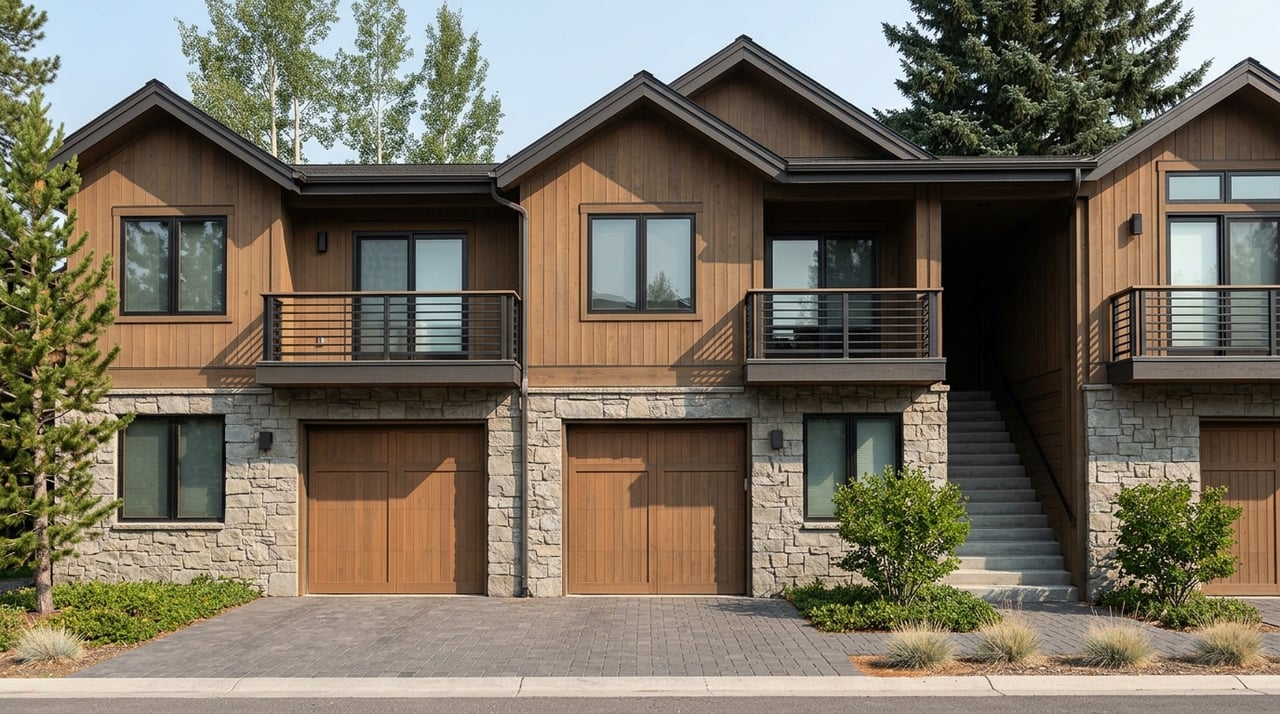
- Traditional condominium and lodge-style buildings: These vary in age and amenity sets, often with pools, hot tubs, ski lockers, common laundry, and fitness rooms. Dues are typically lower than branded residences but depend on inclusions and staffing.
- Townhomes and fractional/club models: Fractional clubs and partial-ownership products appear in both markets and change your use rights, cash flow, and HOA responsibilities. Read offering documents closely before you commit.
How ski access really works
Labels like “ski in/ski out” are applied loosely. In some buildings, it means your door opens to snow. In others, it may be a short walk, elevator, or stair to a run or gondola. Always verify the exact unit-level access, locker location, and the path you will take in boots, however most base areas have storage lockers that can be rented so you can leave your skis and boots at the bottom of the mountain and many higher end properties offer valet service slopeside!. Vail’s two base areas create multiple starting points, while Beaver Creek’s compact villages make carry-to-lift access common for slope-adjacent properties. You can cross-check base area context on Vail’s mountain info.
Parking, arrival, and summer use
- Parking: Vail Village prioritizes pedestrians, which can make private parking and load-in logistics tight. Many buildings include deeded garage spaces or rely on town structures. For a sense of in-town arrival, explore Discover Vail’s site. Beaver Creek developments often include more planned parking, drop-off, and dialed resort logistics, especially in gated enclaves like Bachelor Gulch.
- Getting there: For Beaver Creek travel routes and parking guidance, see the resort’s Getting Here page.
- Summer use: Vail’s larger summer festival calendar and trail networks are a big draw for in-town ownership. Beaver Creek’s programmatic approach helps keep the village active in summer as well, with family-forward events and amenities that extend beyond ski season. Preview event flavor on Beaver Creek’s village guide.
HOA dues and the real carrying cost
What dues commonly include
Mountain resort HOAs often cover snow removal, exterior maintenance, building insurance, common-area utilities, pool and spa service, on-site staffing, and reserves. Branded residences typically add valet, concierge, and optional housekeeping that raise dues. Always request the HOA budget, reserve study, and recent meeting minutes so you understand inclusions, staffing levels, and any history of assessments.
Sample ranges and how to read them
- Luxury, branded towers: Recent MLS examples for branded residences show very large maintenance figures, including a sample listing with an HOA line item around $16,170. Confirm whether a figure is monthly, quarterly, or annual for an apples-to-apples comparison.
- Mid-range resort buildings: Other MLS examples show quarterly dues in the mid-thousands for well-located complexes. One example reflects about $4,900 quarterly while another shows about $10,000 quarterly. Again, inclusions, staffing, and building age drive the spread.
A lower monthly number can mean more separate owner-paid utilities. A higher number often signals comprehensive services and included utilities. The only way to compare fairly is to read the inclusions line by line and scan the reserve study for upcoming capital needs.
Short-term rentals, licensing, and taxes
Vail licensing basics
If you plan to rent for fewer than 30 days, the Town of Vail requires short-term rental registration and a business and sales tax license. Owners must meet local contact requirements, post registration numbers on listings, and comply with enforcement. Review the latest details on the town’s short-term rental regulations page before you count on rental income.
Avon and Beaver Creek tax context
Avon requires a business and sales tax license for rentals and highlights sales and accommodations tax collection obligations. Notably, the Town of Avon states that Beaver Creek is not in Avon’s taxing jurisdiction, which means tax treatment can differ depending on boundaries. If a property is within Beaver Creek Resort Company areas, confirm how resort or company tax collection works. Start with Avon’s official FAQ and cross-check with the resort.
Platform collection and HOA rules
Sales, lodging, and accommodations taxes are typically owed to state, county, and municipal authorities. Some platforms collect and remit, while others require owner registration and remittance. Airbnb’s tax guidance overview explains how platform collection can work in certain jurisdictions. At the building level, some HOAs allow nightly rentals without restrictions, while others mandate onsite rental programs or licensed managers. Always review the declaration and rules for booking minimums, occupancy caps, permitted channels, and program fees.
Which resort fits your goals
- Choose Vail if you want the broadest terrain and a lively village scene. The sheer ~5,300 acres and two base areas pair with extensive dining, shopping, and summer events. See Vail’s mountain overview for context.
- Choose Beaver Creek if you want a smaller, more curated village with strong family services and groomed terrain. Explore the resort’s planning guide to preview the experience on Beaver Creek’s site.
- Prefer turnkey ownership with hotel-level services and rental support? Consider branded residences and budget for higher monthly dues.
- Want a more conventional condo with potentially lower dues? Look at non-branded complexes near the cores and be ready for a bit more hands-on management.
Recent short-window brokerage snapshots have shown median sale prices in Beaver Creek trending above Vail at times in small sample periods, with one set of medians around $3.22 million for Beaver Creek versus $2.55 million for Vail. Treat these as directional only. For a reliable pricing picture, you will want building-specific comps and current MLS data before you offer.
Second-home buyer checklist
- Confirm rules and taxes: Get current STR registration requirements and exact tax rates from the Town of Vail or the relevant authority for Beaver Creek before relying on rental income. Start with Vail’s STR page and Avon’s FAQ.
- Read the HOA stack: Request the budget, reserve study, recent minutes, and rental policy. Compare multiple units in the same building to estimate real carrying costs.
- Verify access and storage: Test your route from garage to elevator to locker to lift. Visit in peak and shoulder seasons to feel crowds, parking, and on-the-ground logistics. Preview Beaver Creek arrival basics on the resort’s Getting Here page.
- Build a conservative rental pro forma: Ask local managers for three years of occupancy and ADRs for comparable units, not just holidays. Include all taxes, fees, and commissions.
- Choose local specialists: Work with an advisor and property manager who know the building’s quirks, parking allocations, deed restrictions, and rental rules. Confirm critical details in writing before you go under contract.
How a seasoned local advisor helps
In the Vail Valley, small details can change your experience and your numbers. The right unit in the right building can save you 20 minutes every ski morning, reduce wear on your gear, and improve your rental performance. A senior advisor with decades in the market can flag building histories, rental program nuances, seasonal traffic patterns, and HOA budget signals you might not notice on a first tour.
If you want curated options, discreet off-market opportunities, and a clear-eyed read on HOA and rental math, reach out. DeDe Dickinson has represented Vail Valley buyers and sellers since 1992 with a boutique, concierge approach backed by the global reach of Engel & Völkers.
FAQs
What are the biggest differences between Vail and Beaver Creek for condo buyers?
- Vail offers about 5,300 skiable acres and a livelier, larger village scene, while Beaver Creek is smaller, more curated, and known for strong family services and groomed terrain.
How far apart are Vail and Beaver Creek, and which airport should I use?
- The resorts are roughly 10 to 15 miles apart, or about 12 to 20 minutes by car depending on conditions, and both are commonly served by Eagle County Regional Airport about 30 to 45 minutes away.
How does “ski in/ski out” condo access differ between the resorts?
- In both markets, the label can mean direct door-to-snow or a short walk or elevator to a run or gondola, so confirm access at the unit level and test your route with boots and gear.
What do typical mountain condo HOA dues include in Vail and Beaver Creek?
- Dues often cover snow removal, exterior maintenance, building insurance, common utilities, staffing, amenities, and reserves; branded residences add services like valet and concierge that increase monthly costs.
Can I short-term rent my Vail or Beaver Creek condo without restrictions?
- It depends on municipal rules and your HOA. Vail requires registration and licensing for rentals under 30 days, and some buildings restrict nightly rentals or require onsite rental programs.
Are Beaver Creek condos inside the Town of Avon for tax purposes?
- Not necessarily. Avon notes Beaver Creek is not in Avon’s taxing jurisdiction, so you must confirm exact boundaries and which entity collects sales or accommodations taxes for your property.