Searching Beaver Creek for a condo that actually fits how you live can feel overwhelming. Do you want to click into your skis at the door, or stroll to dinner without a car? Do you plan to rent when you are away, or keep things quiet and low maintenance? In this guide, you will learn how Beaver Creek’s condo buildings differ, how each lifestyle maps to specific features, and the key rules and costs to verify before you buy. Let’s dive in.
How Beaver Creek buildings differ
Village-core high-amenity buildings
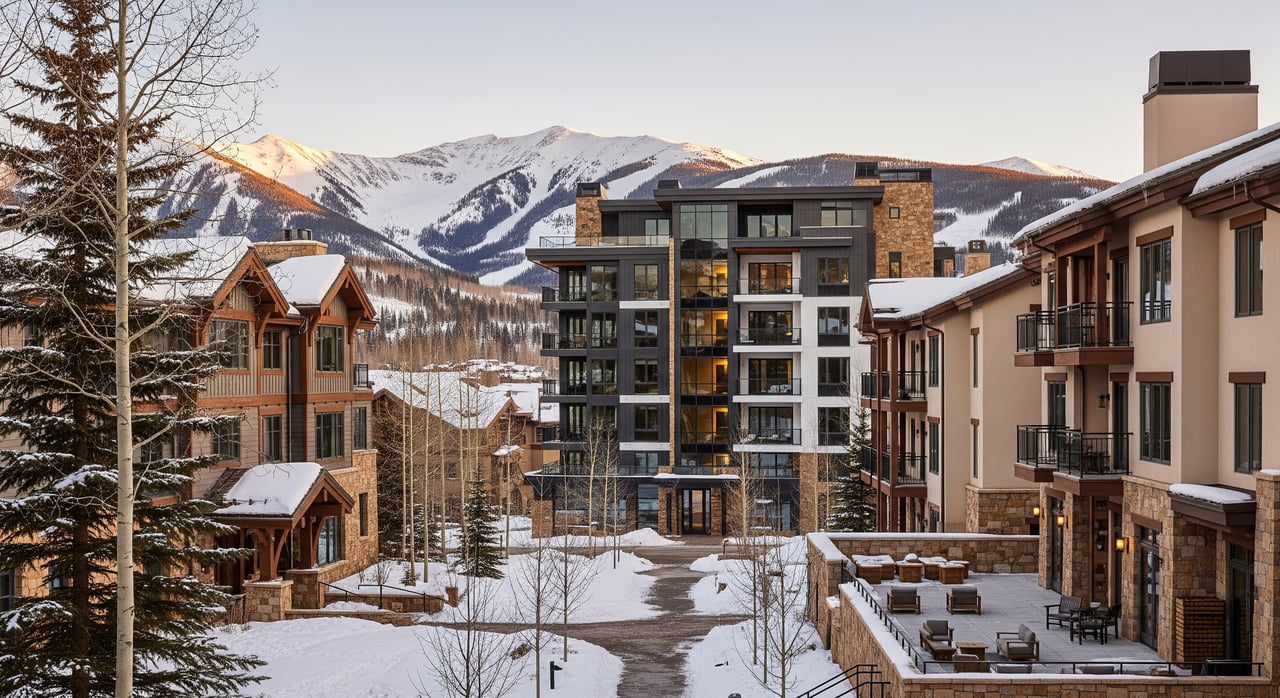
Village-core buildings sit in the heart of Beaver Creek Village with quick pedestrian access to shops, dining, and winter and summer programs. You typically see mid- to high-rise condos and luxury hotel-branded residences. Amenities often include concierge, valet, spa, pool, and fitness. If you want walkability and services, this is the core to focus on.
Ski-in and ski-out base-area complexes
These buildings prioritize slope access. You will find lodge-style complexes, townhomes, and condo clusters that offer ski lockers, boot rooms, and easy routes to lifts. Expect a price premium for true ski-in and ski-out, and verify how direct the access really is.
Mountain neighborhoods: Bachelor Gulch and Arrowhead
These neighborhoods are part of the Beaver Creek resort system yet feel more private than the village core. Buildings lean upscale, with townhomes, low-rise condos, and single-family residences. You gain space and a quieter setting, often with on-mountain or lift-adjacent locations depending on the address.
Nearby value options: Avon, Minturn, and valley floors
If you prefer a budget-friendlier option or larger square footage for the price, look just outside the resort core in nearby towns. These areas still offer quick access to Beaver Creek by car or shuttle, and many full-time residents choose them for convenience and value.
Fractional, timeshare, and condo-hotel formats
Shared ownership and condo-hotel properties offer turnkey use with professional management. Entry prices are lower than whole-ownership, and on-site services are common. Review usage calendars, rental participation requirements, and owner-use rules to be sure the format fits your plans.
Compare buildings by lifestyle
Dedicated skier or ski-first family
- Best-fit buildings: Ski-in and ski-out complexes, slope-adjacent townhomes, some village-core residences with lift proximity.
- Key features: Ski lockers, boot dryers, valet, underground parking, heated walkways, and direct or near-direct lift access.
- Tradeoffs: Higher prices and sometimes smaller floorplans in high-demand, slope-side or village-core addresses.
Luxury, full-service second home
- Best-fit buildings: Village-core high-amenity properties and select condo-hotels with 24/7 concierge.
- Key features: On-site dining, spa, pool and fitness, valet, in-unit laundry, secure storage, and professional building management.
- Ownership notes: Some buildings operate as condo-hotels or have rental programs that shape owner access and HOA rules. Review them early.
Family stays and longer visits
- Best-fit buildings: Townhome-style floorplans in mountain neighborhoods and larger village units.
- Key features: Two to four bedrooms, multiple baths, kid-friendly common areas, easy access to programs and shuttles, reliable heating and ventilation.
- Bonus: Storage for gear is essential for comfortable multi-week stays.
Investor focused on short-term rentals
- Best-fit buildings: Properties with proven rental history, on-site management, and seamless check-in and check-out.
- Key features: Clear rental policies, strong demand patterns, and management relationships that simplify turnover.
- Critical check: Confirm short-term rental rules with the HOA and local jurisdiction. Licensing, taxes, and owner-use limits vary.
Low-maintenance or retiree-friendly living
- Best-fit buildings: Elevator-served, single-level condos in quieter settings with solid management and fewer intensive staff services.
- Key features: In-unit laundry, minimal stairs, reliable maintenance, long-term parking, and proximity to everyday services.
- Approach: Weigh monthly HOA fees versus your desire for amenities you will use often.
Pet owners
- Best-fit buildings: Condos and townhomes with explicit pet-friendly policies and nearby outdoor space.
- Key features: Pet rules that clarify size or breed limits, deposits, and designated relief areas.
- Tip: Pet policies are set building by building, so verify rules in writing before you commit.
Summer-oriented active users
- Best-fit buildings: Locations near trailheads, summer lifts, and village events.
- Key features: Secure bike storage, patios or decks, and easy access to hiking and biking.
- Tradeoffs: You may care less about ski-door access and more about storage and trail proximity.
Ownership, costs, and rules that matter
Ownership types at a glance
- Fee simple condo: You own the unit and share common elements through the HOA.
- Condo-hotel, fractional, and timeshare: Limited-use calendars, shared ownership, and potential mandatory rental program participation.
- Deed-restricted or workforce housing: Eligibility rules on purchase and resale. Confirm terms before you shop.
HOA fees and budgets
- Services drive costs. Full-service buildings with pools, spas, valet, and staffing often have higher monthly dues than simpler complexes.
- Review carefully: What do dues include, such as utilities, Internet, hot water, snow removal, and exterior maintenance? Are reserve funds healthy and are there planned special assessments?
- Policies to note: Pet rules, rental rules, and smoking policies vary by building.
Short-term rental rules and taxes
- Rules differ by building and jurisdiction. An HOA or resort master association can prohibit or limit rentals even when local policy allows them.
- Expect licensing and lodging taxes for short stays. Registration processes and rates change, so verify with the applicable town or county before buying.
- Management: On-site or resort programs may take a percentage of gross revenue. Understand the economics before you model returns.
Insurance and seasonal risk
- Mountain properties face wildfire and freeze risks. Ask what the building’s master policy covers and whether you need walls-in coverage.
- Verify heating systems, pipe protection, and winterization procedures. These details matter for both comfort and cost.
Parking, storage, and logistics
- Confirm whether parking is assigned or deeded, and whether it is underground or surface level.
- High-value perks for active owners include ski lockers, bike rooms, and private storage closets.
- Accessibility matters in winter. Check for elevator access, shuttle stop proximity, and snow-cleared routes.
Financing for resort condos
- Lenders may apply stricter criteria for resort-area condos, especially condo-hotels and fractional formats.
- Ask about project approval, owner-occupancy requirements, down payments, and how HOA financials affect underwriting.
Your building due diligence checklist
Use this quick list while you tour and before you write an offer:
- Obtain HOA documents: bylaws, CC&Rs, current budget, reserve study, and 12 to 24 months of meeting minutes.
- Confirm rental policy: whether short-term rentals are allowed, owner-use limits, required management participation, and any fees.
- Verify local licensing needs and lodging taxes with the town or county for the specific address.
- Review recent comps in the same building or immediate neighborhood, matching floorplans when possible.
- Request rental history if applicable: occupancy rates and gross revenue, including seasonal patterns.
- Confirm parking assignment and storage: ski lockers, bike rooms, and private storage availability.
- Get an amenity list with hours, staffing levels, and any upcoming capital projects.
- Verify the building’s insurance master policy and what the owner must insure.
- Ask about special assessments and the reserve fund status.
- Inspect physical condition: exterior envelope, roofs, snow load management, mechanical systems, dryer venting, and visible plumbing.
Selling a Beaver Creek condo? Position by lifestyle
Buyers in Beaver Creek shop by lifestyle first, then by floorplan. If you are preparing to sell, present your property in a way that highlights the experience it delivers. For a ski-first unit, emphasize true access, locker convenience, and winter logistics. For a village-core residence, showcase concierge services, dining, and walkability. For a quiet mountain neighborhood, lean into privacy, space, and storage.
Premium presentation matters. Professional staging, photography, and clear amenity storytelling help out-of-market buyers grasp value quickly and confidently. A curated vendor network and hands-on project management can streamline prep and elevate your outcome.
Next steps
Choosing the right Beaver Creek building is about alignment. Match your day-to-day rhythm with the features, rules, and costs of each property. Then confirm the details with HOA documents, local rental guidelines, and recent comps.
If you want a seasoned local perspective and a refined, concierge process, schedule a private Vail Valley market consultation with DeDe Dickinson. Together, you can narrow the field to buildings that fit your lifestyle and make a confident move.
FAQs
What does true ski-in and ski-out mean in Beaver Creek?
- It means you can ski directly to and from your building or a lift without driving or lengthy walks, though you should verify the exact route and winter maintenance with the HOA.
Are short-term rentals allowed in Beaver Creek condos?
- Policies vary by building and jurisdiction, and an HOA or master association can limit or prohibit rentals, so confirm written rules and licensing before buying.
How do HOA fees compare across buildings?
- Full-service, village-core buildings with concierge, spa, pool, and valet often have higher dues than simpler complexes, so review inclusions and reserves.
Can I finance a condo-hotel or fractional unit?
- Financing is possible in some cases but often requires specialized lenders, larger down payments, and project approval, so ask early in your search.
Are pets allowed in Beaver Creek condo buildings?
- Pet policies are building specific and can include size limits, deposits, and designated areas, so verify the HOA’s written rules for your target property.