Why the Grass Disappeared From the Edwards Riverwalk This Summer
August 20, 2026
August 20, 2026
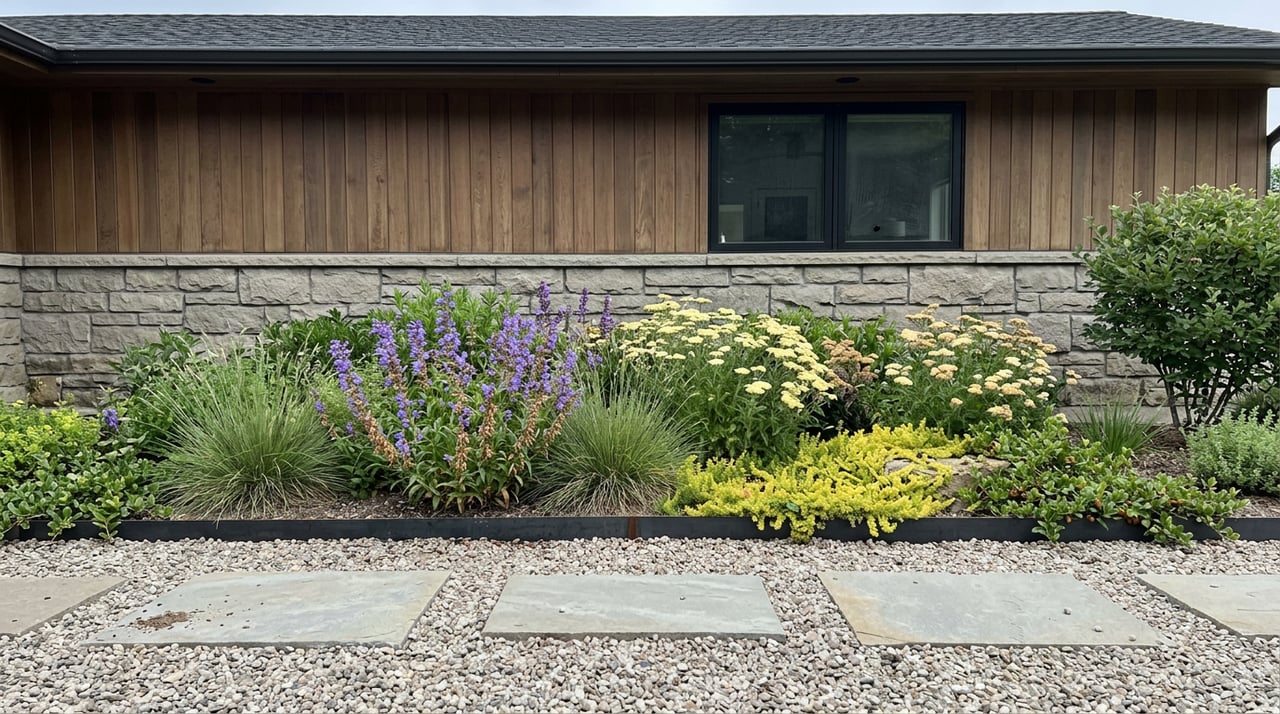
Walk the stretch of Eagle River Trail that cuts through Riverwalk this month and you will notice something missing. The bluegrass strip that used to run along the east side of the road, the kind of turf that needed watering all summer to stay green, is gone. In its place is a patch of native grasses and wildflowers that volunteers put in the ground this June, working alongside the Eagle County Conservation District and the Eagle River Coalition. It looks less manicured. It is also the more important thing to notice on that trail this year, more than the cleanup day everyone already has circled on their calendar.
That distinction matters, because Edwards is about to see both things happen within weeks of each other. On September 12, hundreds of volunteers will show up for the Eagle River Coalition's 32nd Annual Eagle River Cleanup, a tradition that traces back three decades to a handful of neighbors pulling tires out of the riverbank by hand. It is a good event and worth your Saturday morning. But it happens every year, and it will need to happen again next year, because a cleanup treats what shows up in the river. The garden at Riverwalk treats what causes it. One is maintenance. The other is a fix that does not need repeating.
The plot itself is small, a demonstration plot rather than a park-scale planting, but the math behind it is not small. A typical irrigated bluegrass lawn in this part of the valley requires about 14 gallons of water per square foot over a single irrigation season, according to figures the Edwards Metro District uses in its own explanation of the project. That is the baseline every homeowner with a green lawn in the Vail Valley is working against every summer, whether they think about it or not.
The native plot that replaced the bluegrass strip needed sprinklers for exactly one season to get established. After that, it is designed to run on natural precipitation alone. The Eagle River Fund, which helped pay for it, states the finished planting will cut water use on that stretch by more than 80 percent compared to what the turf it replaced was consuming. That is not a rounding difference. It is the kind of number that only means something once you have the 14-gallon baseline sitting next to it, and most people walking past the new planting this summer have neither number in front of them.
Here is the part that is easy to miss if you only think of river health in terms of trash pulled out of the water. A cleanup day, no matter how well organized, is labor applied after the fact. The Eagle River Cleanup exists because a legacy tire and mechanic shop near Edwards left decades of rubber lodged in the riverbed, and it took a family with a paddleboard, a six year old asking why there were so many tires in the river, and years of permitting calls to the Army Corps of Engineers before anyone could legally start pulling them out. That origin story is worth knowing, but it also explains why the cleanup keeps needing volunteers. The underlying causes of runoff, thirsty turf along riverside properties, unmanaged foot traffic wearing down banks, never went anywhere. Removing trash once a year does not change any of that.
A demonstration garden does. It is a structural swap, not a labor event. Once it is in the ground and established, it keeps doing its job without anyone showing up with gloves and a truck. That is the actual argument for paying attention to it over the cleanup, not because the cleanup is unimportant, but because the garden is evidence that the funding model behind Edwards' river work has started producing fixes instead of just organizing effort.
| Eagle River Cleanup | Riverwalk demonstration garden | |
|---|---|---|
| How often | Annually, every September | Installed once, self-sustaining after year one |
| What it addresses | Trash and debris already in the river | Water demand before it becomes runoff |
| Who shows up | Volunteers, every year | Volunteers, one time, for installation |
| What repeats | The need for more volunteers next year | Nothing, by design |
The garden did not happen by accident. It is one of the first physical results of the Eagle River Fund, an endowment effort that started in late 2019 when longtime valley residents Tom and Margie Gart approached what was then the Eagle River Watershed Council, now the Eagle River Coalition, about building something modeled on the Yampa River Fund near Steamboat Springs. After a feasibility study and input from a working group of more than 40 members, the fund settled on a goal of a 5 million dollar endowment, structured to throw off more than 200,000 dollars a year in grants for water projects across the valley on an ongoing basis rather than through one-off donation drives.
"We have structured our gift to allow the fund to operate while we are fundraising," Margie Gart has said of the arrangement. "This serves as proof of concept for why a local, secure funding source makes such a difference."
The fund is chaired by Staunton Golding, with Tom Gart and Scott Turnipseed also serving on the board, and it is operationally managed by staff at the Eagle River Coalition while held as a component fund of the Western Colorado Community Foundation. Melanie Smith, who serves as the fund's operations manager and as development director for the Coalition, has described the thinking behind it plainly: entities of all kinds coming together to build their own secure, local funding source so more could get done on the projects the community actually values.
This February, the fund opened its first competitive grant application cycle, running from February 2 through February 27, 2026, open to nonprofits, municipalities, special districts, and private organizations partnering with an eligible sponsor. The Riverwalk garden and an earlier match toward the Edwards tire removal effort were among the fund's first awards, proof that the structure works before the full endowment is even in place.
None of this makes the September cleanup less worth attending. If anything, showing up connects you to the same three-decade thread that eventually produced the fund paying for the garden. This year's Eagle River Cleanup runs from 9 a.m. to noon on September 12, with teams spread across the Eagle River, Gore Creek, and the Colorado River. Volunteers should plan to bring their own gloves and closed-toed shoes, and high visibility vests are required near roads and riverbanks alike.
Afterward, the Eagle River Coalition is hosting a celebration at Eagle River Brewing in Gypsum from noon to 3 p.m. The first 100 volunteers through the door get a free beer, there is ice cream cake until it runs out, and everyone who shows up gets entered into a prize drawing. It is a small, specific thank you for a tradition that has quietly shaped how this valley treats its river for 32 years running.
The Eagle River Coalition has also flagged the stretch of trail through Riverwalk for a larger restoration project addressing erosion and stormwater infrastructure along that same quarter mile, with work expected to start rolling out as soon as this year. If the garden is any indication, the next visible change on that trail will not be another cleanup crew. It will be something built to last past September.
That is worth knowing if you already call Edwards home, and it is worth knowing if you are still deciding whether this stretch of the valley fits the way you want to live. Either way, paying attention to what gets built here, not just what gets cleaned up, tells you something about how this community actually spends its money on the place it lives.
If you would like a longer conversation about what is changing in Edwards and the rest of the Vail Valley, from the ground up rather than the listing sheet down, DeDe Dickinson has spent more than three decades getting to know this valley one trail, one river project, and one neighborhood at a time.
Stay up to date on the latest real estate trends.