Eyeing a condo near the river or a townhome up the hill in Avon and wondering if the HOA dues make sense? You are not alone. In mountain communities, dues can range widely and cover very different things, from snow removal to shuttle service. In this guide, you will learn what HOA dues typically include in Avon, why they change, how to spot red flags, and exactly what to review before you buy or sell. Let’s dive in.
HOA types you will see in Avon
Avon includes a mix of association types, especially around ski and river corridors.
- Condominium associations. Common in resort and riverfront buildings, where you own the interior and share common elements like roofs, elevators, lobbies, and parking.
- Planned unit developments and single-family HOAs. Neighborhoods where dues fund exterior items such as private roads, snow removal, and shared recreation areas.
- Master associations and sub-associations. Many developments have a master HOA for major infrastructure plus smaller sub-HOAs that handle building exteriors, parking, or neighborhood-specific services.
Understanding the structure matters because it explains who maintains what, how many budgets apply, and why dues are set at current levels.
What HOA dues typically cover
In Avon’s mountain setting, certain costs show up again and again in budgets. You will often see dues funding:
- Snow removal for roads, driveways, sidewalks, and parking areas. This is a major recurring line item.
- Road and private infrastructure upkeep, including pavement and lighting.
- Exterior building maintenance, like roofing, siding, painting, and elevator service in multi-story condos.
- Landscaping and irrigation that fit a mountain climate and seasonality.
- Trash and recycling, plus common-area utilities such as exterior lighting and irrigation water.
- Insurance for common areas and building exteriors through a master policy. Owners usually carry an HO6 or dwelling policy for interiors and personal property.
- Professional management and admin, including staffing, bookkeeping, and legal.
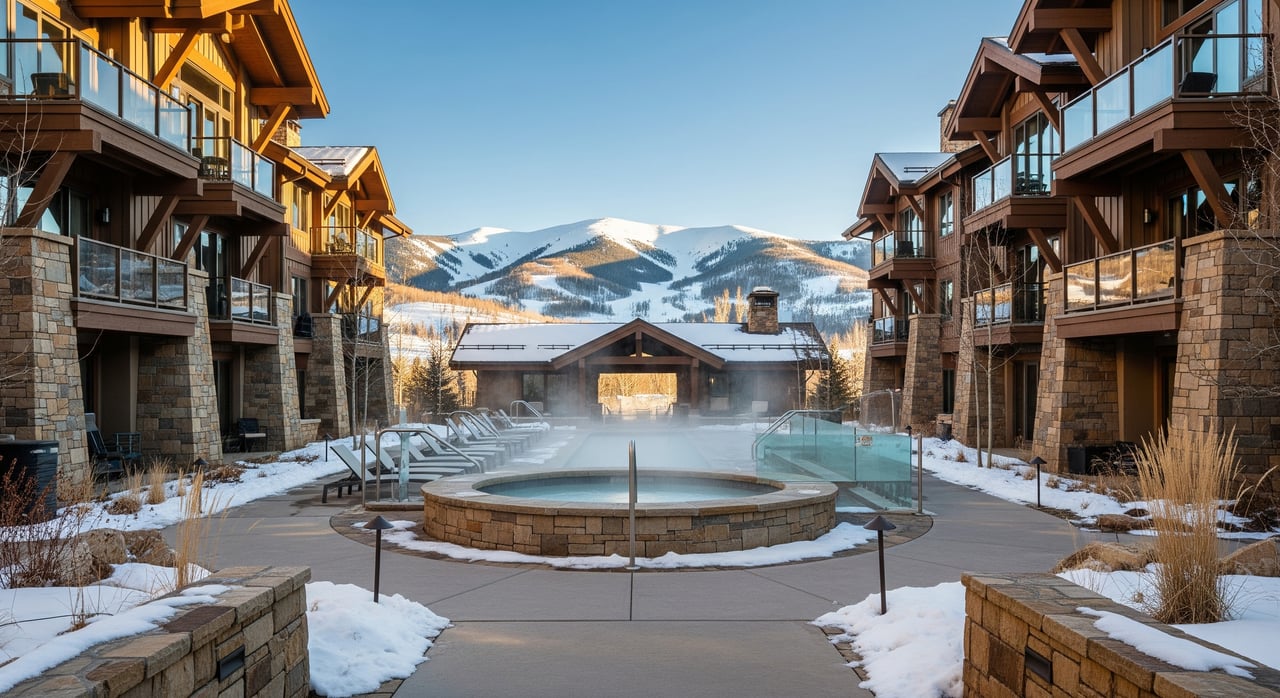
- Amenities and services, from clubhouses and spas to shuttles to ski lifts, and in some resort buildings, concierge or security.
- Reserve fund contributions for future big-ticket items like roof replacement or asphalt.
Always confirm what dues include at the specific property level, since inclusions can change even within the same complex or neighborhood.
Why dues vary in Avon mountain communities
It is normal to see two similar-looking properties with very different dues. Drivers include:
- Level of amenities. Full-service resort buildings with pools, fitness, and shuttles usually have higher dues.
- Inclusions. If dues cover utilities like water or trash, they may be higher than a community where owners pay those directly.
- Age and condition. Older buildings often need stronger reserves for major repairs.
- Density and building type. High-rise condos with elevators and structured parking cost more to maintain than lower-density townhomes.
- Management model and staffing. On-site teams increase service and cost.
- Local winter realities. Heavy snow, de-icing, and cold-weather wear push operating budgets higher.
Instead of focusing on averages, review the budget and reserve plan for the specific association you are considering.
How dues are set and why they increase
Associations use two budgets to set dues.
- Annual operating budget. Covers routine costs like snow removal, utilities for common areas, management, insurance, and grounds.
- Reserve budget. Funds long-term replacements, guided by a reserve study that estimates life and replacement costs for roofs, paving, and major systems.
Common drivers of dues increases in Avon include:
- Rising insurance premiums linked to wildfire risk and slope-side exposures.
- Increased winter maintenance and snow removal costs.
- Unplanned major repairs, such as structural or water-intrusion issues.
- Inflation in resort labor, utilities, and materials.
- Capital projects, amenity updates, or code compliance work.
Healthy reserves help stabilize dues. Underfunded reserves often lead to sudden hikes or special assessments.
Special assessments explained
A special assessment is a one-time charge to owners when operating funds and reserves are not enough for a major expense or emergency. Frequency and size depend on reserve health, governance decisions, and events like storms or water damage.
As a buyer, check the HOA’s history of special assessments, and look for any pending or discussed assessments in meeting minutes, budgets, and the resale or estoppel certificate.
Know the rules that apply in Colorado
Colorado’s Common Interest Ownership Act, often called CCIOA, sets the framework for condominium and planned community associations statewide. You will also see guidance and resources from the Colorado Division of Real Estate within the Department of Regulatory Agencies. These standards shape disclosures, association governance, assessment collection, and owner protections.
Short-term rentals are common in resort areas, and both the Town of Avon and Eagle County have rules that may apply. Your HOA may also have its own rental policies. You must follow the strictest combination of local and HOA rules.
Documents to review before you buy
Ask the seller, HOA, or manager for these items before you remove contingencies or close:
- Declaration, Bylaws, Rules and Regulations, and all amendments.
- Current year budget and the last 2 to 3 years of financial statements.
- The most recent reserve study and records of reserve contributions.
- Board and membership meeting minutes from the past 12 to 24 months.
- Insurance declarations and proof of coverage limits and deductibles for the master policy.
- Estoppel or resale certificate showing assessment status and any pending special assessments.
- Any notice of pending litigation, claims, or regulatory complaints.
- Assessment schedule and any current or planned special assessments.
- Management contract, plus key vendor contracts such as snow removal, utilities, or shuttle services.
- Rental rules and any short-term rental registration or permit requirements.
If something is missing or unclear, ask for clarification in writing and build in time to review.
Key questions to ask the HOA or manager
Use these questions to pinpoint risk and value:
- Exactly what do the dues cover, and which utilities or services are owner-paid?
- Is there a current reserve study, and are reserves funded to match its recommendations?
- Has the HOA levied any special assessments in the past 5 to 10 years, and are any pending now?
- Are there ongoing lawsuits or large insurance claims?
- What are the rental policies, including any minimum stays and owner registration rules?
- What is the delinquency rate for assessments, and how are past-due accounts handled?
- Are any major capital projects planned in the next few years?
- Are owners allowed to operate short-term rentals on platforms, and what rules apply?
Red flags to watch
Keep an eye out for warning signs during your review:
- Thin reserves that do not fit the age and needs of the property.
- Frequent, large special assessments or repeated short-term cash infusions.
- Ongoing litigation with significant potential liability.
- Inconsistent, incomplete, or unaudited financial statements.
- Rental rules that conflict with how you plan to use the property.
- High delinquency rates that suggest future assessments may be needed.
- Unclear insurance boundaries between the master policy and your interior coverage.
If you see any of the above, factor the risk into your offer or ask for protections.
Short-term rentals and resort rules
If you plan to rent your property, verify two sets of rules:
- Local regulations. The Town of Avon and Eagle County may require registration, licensing, or taxes, and they may limit where short-term rentals are allowed.
- HOA policies. Many associations set minimum stay requirements, registration steps, and appearance and conduct standards for rental guests.
Confirm both before you buy. The strictest rule will control your use.
Insurance basics for HOA properties
HOA master policies vary. Some provide broader building coverage, and others provide “bare walls” coverage with more responsibility on owners. In almost all cases, you will need your own condo unitowners policy, often an HO6, to cover interior finishes, personal property, liability, and sometimes loss assessments.
In mountain communities, insurers pay close attention to wildfire exposure, snow loads, water intrusion, and limited access in winter. Associations may carry higher limits or special coverage based on these factors. Review the master policy declarations and deductibles, then confirm with your insurance agent how your policy should be structured.
Taxes, utilities, and special districts
Property taxes and special district assessments are separate from HOA dues and appear on your Eagle County tax bill. Water, sanitation, or metro district fees may also apply. Check with the Eagle County Assessor and Treasurer, and review recent tax statements for the subject property.
Negotiation tips for buyers and sellers
A little preparation can protect both sides during escrow:
- Build an HOA document review contingency into the contract, with enough time to read everything.
- If a pending special assessment is disclosed, buyers can request a seller credit or ask the seller to pay it at closing.
- Sellers should order the resale or estoppel certificate early to avoid delays and to disclose any known assessments or violations upfront.
Solid, early disclosure keeps surprises out of the closing table and helps both parties plan cash needs.
How to budget for ownership
When you estimate total monthly cost, include more than the headline dues number.
- Add utilities that are not covered by dues, such as electricity, gas, cable, and Internet.
- Set aside a personal reserve for interior items and deductibles, especially if the association carries a higher master policy deductible.
- If you plan to rent, account for any registration or management fees set by the HOA or local rules.
This fuller picture helps you compare properties on a true apples-to-apples basis.
A local partner for clear answers
Reading HOA budgets and reserve studies can feel like decoding a foreign language. As a longtime Vail Valley advisor, DeDe brings local context on snow removal costs, insurance trends, and the realities of master and sub-associations in Avon. She can help you gather the right documents, spot red flags, and connect with trusted local pros, including HOA managers, insurance agents, title companies, and attorneys when needed.
If you are weighing two properties with very different dues, or you want a clear plan to prepare your listing for buyer scrutiny, let’s have a conversation about your goals and timeline.
Ready to explore? Schedule a private Vail market consultation with DeDe Dickinson.
FAQs
How much are typical HOA dues in Avon?
- Dues vary widely by property type and services, from modest amounts in some single-family communities to higher fees in full-service resort condos. Review the budget and inclusions for the specific HOA instead of using averages.
Do HOA dues include utilities in Avon condos?
- It depends on the building. Many HOAs pay common-area utilities and irrigation water, while owners often pay interior electricity, gas, cable, and Internet. Confirm inclusions for your unit.
What are special assessments, and will I face one?
- Special assessments are one-time charges when operating funds and reserves are short. A strong reserve study and funding plan lowers, but does not eliminate, the chance of an assessment.
Can my HOA restrict short-term rentals in Avon?
- Yes, many HOAs regulate rentals with minimum stays and registration, and the Town of Avon or Eagle County may have separate requirements. You must follow both sets of rules.
What does the HOA’s insurance cover versus my policy?
- HOAs typically insure common areas and often building exteriors. Owners usually carry an HO6 policy to cover interior finishes, personal property, liability, and potential loss assessments. Verify the master policy type and deductibles.
How do I check for HOA liens or lawsuits before buying?
- Request the association’s disclosure of any pending litigation and order the resale or estoppel certificate to confirm assessment status for the unit. You can also have your title company review county records for liens.